You might have found Bumby through a baby. Maybe your kid refused to wear anything else and you started wondering what the fuss was about. Maybe you did your research and ended up here on purpose. Maybe someone sent you this link and said "just trust me."
However you got here; welcome. This page is for everyone who isn't a baby.
Bigger kids who have opinions about their clothes. Teens who want something that actually works. Adults who are done with synthetic fabrics that trap heat and hold odor. Women who want a little extra confidence without thinking about it. Hikers who know what it's like to wear the wrong thing for ten kilometers and regret every choice they've ever made.
Wool is for all of you. And I'm here to tell you why.
— Steph
Wool has been doing this longer than we have.
Let's talk about how old this fiber actually is. Wool predates written history. It predates agriculture as we know it. It predates fire — well, we didn't invent fire, we harnessed it, and when we did, we were already wearing wool. The original smart fiber didn't need a patent. It just needed a sheep.
Wool is naturally SPF protective; it blocks UV rays in a way most synthetic fabrics don't. It's naturally fire retardant; it doesn't melt or drip the way synthetics do when exposed to flame, it chars and self-extinguishes. It regulates temperature, neutralizes odor, manages moisture, and lasts for years. Engineers have spent decades trying to replicate what wool does and keep almost getting there.
And then there's lanolin. The naturally occurring wax in wool fiber that reacts chemically with urine to neutralize it; turning it into a mild soap-and-water compound. This is why wool diaper covers work the way they do. This is also, it turns out, why people have been processing wool with urine for thousands of years.
Yes really. Before modern detergents, urine was the cleaning agent of choice for raw wool. The ammonia in aged urine strips the lanolin out of the fiber so it can be cleaned and re-processed. Communities would collect it in buckets; men contributing enthusiastically after a night of ale, apparently. Then the women would take over.
And here's the part that genuinely makes me love humanity; they turned it into a party. The wool fulling process — stomping, agitating and working the wool to clean and felt it — was done communally, rhythmically, with songs. Waulking songs, they were called. Women gathered together, laid the wet wool on a long table, and passed it hand to hand while they sang; the rhythm keeping the work even, the company making it bearable, the singing making it something worth remembering.
How they figured out that aged urine was the answer in the first place... I genuinely do not want to know. But I am grateful. And I am not surprised that it was women who took that information and made it into something beautiful.
We didn't invent the idea that wool care is better done together. We just moved it to Facebook.
Shop Wool Care →
What's covered on this page
Why wool for grown ups and bigger kids?
- Isn't wool just for babies and outdoorsy people?
- Why is wool better than synthetic fabrics for everyday wear?
- What does wool actually do for your body?
- Is Merino wool really soft enough to wear against skin?
- Why do hikers swear by wool?
The part nobody talks about
- Can wool help with light bladder leakage?
- Does wool really neutralize odor?
- Is this actually comfortable or is it a compromise?
What does Bumby make for adults and bigger kids?
- What styles do you offer for kids who are out of diapers?
- What do you make for adults?
- What weights do you offer and what are they good for?
- Do you make custom pieces?
How do I take care of it?
- Is wool clothing hard to care for?
- Do I need to lanolize wool clothing?
- What detergent should I use?
- Can I put it in the dryer?
The bigger picture
- Why choose wool over synthetic performance fabrics?
- Is wool sustainable?
- Who is Bumby wool really for?
Why wool for grown ups and bigger kids?
"Isn't wool just for babies and outdoorsy people?"
That's where most people start. But here's the thing; the same properties that make wool extraordinary for a baby in a diaper make it extraordinary for a person doing anything. Regulating temperature. Managing moisture. Neutralizing odor. Not trapping heat. Not holding smell. Feeling comfortable against skin for hours without thinking about it.
The outdoorsy crowd figured this out a long time ago. Athletes figured it out. People who spend long days on their feet figured it out. And now the rest of the world is catching up. Wool isn't a niche material for a niche person. It's just a really good fiber that got unfairly associated with itchy holiday sweaters for a few decades.
Shop Women's Wool →
Shop Men's Wool →
"Why is wool better than synthetic fabrics for everyday wear?"
Synthetics are engineered to do one thing well; usually moisture wicking for athletic use. Outside of that context they tend to trap heat, hold odor, and feel a bit like wearing a plastic bag in warm weather. Sound familiar?
Wool does something different. It manages moisture without trapping it. It regulates temperature in both directions; keeping you warm when it's cold and helping you stay comfortable when it's warm. And because of how lanolin interacts with the fiber, it neutralizes odor instead of just masking it or holding onto it. You can wear fine Merino wool for days without it smelling. That's not marketing. That's chemistry.
"What does wool actually do for your body?"
The hollow fiber creates a microclimate next to your skin; absorbing moisture vapor before it becomes sweat, releasing it into the air, and keeping things remarkably stable in between. It's the same microclimate that makes wool diaper covers so effective; just scaled up to the rest of your body.
Wool is also naturally antibacterial. The lanolin coating on the fiber inhibits the growth of odor-causing bacteria; which is why a wool base layer can be worn on a five day hike and still smell fine at the end. It's not magic. It's just a very old fiber doing what it was always built to do.
"Is Merino wool really soft enough to wear against skin?"
The itchy sweater in your memory was almost certainly not Merino. Bumby uses fine Merino wool; a specific breed known for producing an exceptionally fine fiber. The fineness is what determines softness; coarser fibers are what scratch. Fine Merino is what goes into high-end athletic base layers and next-to-skin garments for a reason. Most people who try it for the first time say it feels like nothing at all after the first minute or two. That's the goal.
Shop Women's Wool →
Shop Men's Wool →
"Why do hikers swear by wool?"
Because they've learned the hard way what the wrong fabric does over a long day. Synthetics wick moisture but hold odor; by day two on the trail you know it. Cotton gets wet and stays wet; hypothermia risk in cold weather, misery in warm. Wool manages both moisture and temperature, dries relatively quickly, and doesn't hold smell the way synthetics do. You can pack one Merino base layer for a week and be fine. That's not a small thing when you're carrying everything on your back.
The Camino de Santiago has introduced more people to wool than almost anything else. Eight hundred kilometers has a way of teaching you what your body actually needs.
Shop Women's Wool →
Shop Men's Wool →
The part nobody talks about
"Can wool help with light bladder leakage?"
Let's just say it plainly; because nobody else does and they should. Light bladder leakage affects a lot of people. Women who have had children. Women of a certain age. Anyone who has laughed too hard, jumped, sneezed, or simply stood up at the wrong moment. It's common and it's rarely talked about.
Here's what wool does; the same lanolin chemistry that makes a wool diaper cover work for a baby works for you. Lanolin reacts with urine to neutralize it; turning it into a mild soap-and-water compound. This means wool worn close to the body manages small amounts of leakage without smell, without that damp trapped feeling, and without needing to be washed after every single wear. The microclimate keeps things comfortable. The lanolin keeps things neutral.
This isn't a cure and it isn't a medical product. It's just a fiber that handles the reality of bodies better than most. Wear it, air it out, carry on.
Shop Women's Wool →
"Does wool really neutralize odor?"
Really. The lanolin in wool fiber reacts chemically with the compounds in sweat and urine to neutralize them rather than trap them. This is why a well-lanolized wool garment can be worn multiple times, aired out between wears, and still smell fine. It's why wool base layers are a backcountry staple. It's why wool diaper covers don't smell the way plastic covers do.
For clothing that doesn't need diaper-level water resistance, you don't need to lanolize at all; the natural lanolin already in the fiber does enough. Our Rise & Refresh product is designed specifically for wool clothing; it conditions and refreshes without adding a heavy lanolin treatment.
Shop Wool Care →
"Is this actually comfortable or is it a compromise?"
Not a compromise. Most people who switch to fine Merino wool clothing say they can't go back. It feels like almost nothing against the skin after the first minute of wear. It doesn't cling. It doesn't create that hot synthetic feeling. It doesn't scratch. And because it regulates temperature so well, you stop thinking about what you're wearing and just... wear it.
Kids especially. We have heard "I want my bumbies" from children who refused to put on jeans because jeans are icky and scratchy. They're not wrong. Once you know what fine Merino feels like, a lot of other fabrics start feeling like a compromise by comparison.
What does Bumby make for adults and bigger kids?
"What styles do you offer for kids who are out of diapers?"
Once kids are out of diapers the wool doesn't have to stop. Wool pants are just a diaper cover with more coverage; they manage accidents during potty training the same way they managed diapers, and then they just become pants. We make pants, sweater sets, and winter gear for bigger kids; all in the same fine Merino interlock, all machine washable, all built to last well past one child.
Shop Toddler Wool →
Shop Big Kids Wool →
"What do you make for adults?"
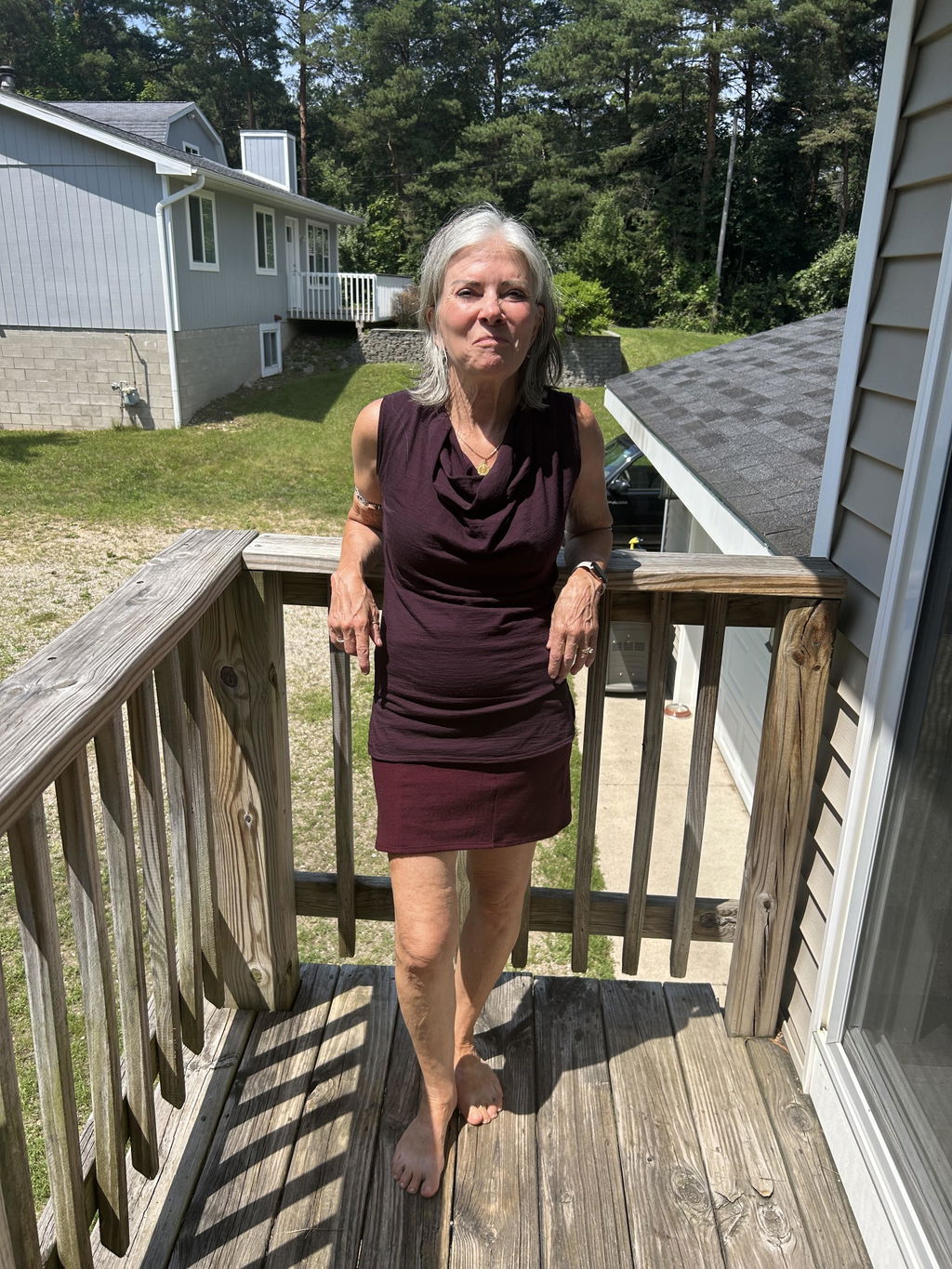
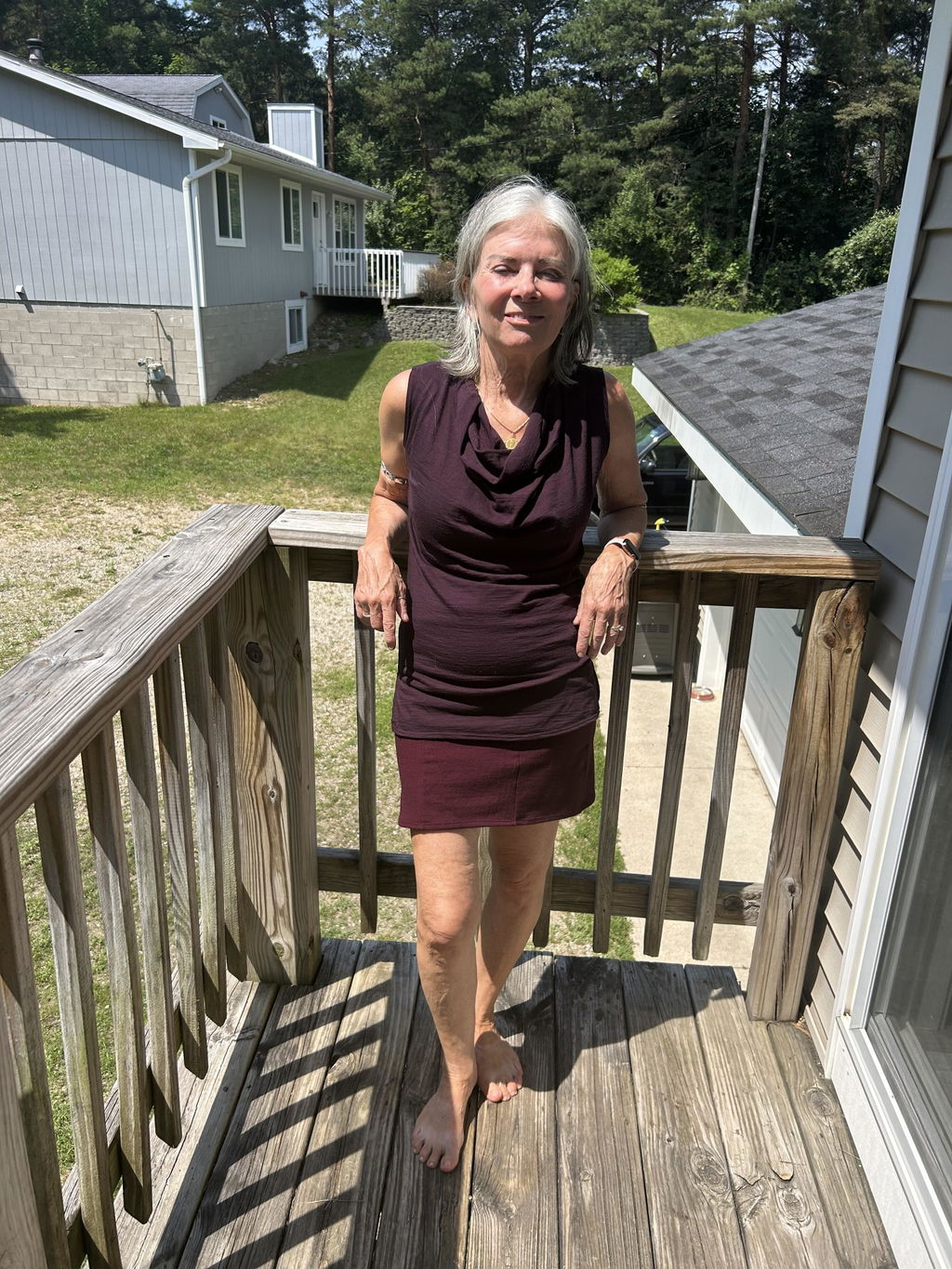
We got into adult wool the same way we got into everything; someone asked. A mom wanted what her baby had. Then another. Then people who had never had babies at all. We now make tops, pants, and dresses in fine Merino for adults; as well as heavier weight options for people who want warmth without bulk. Every single product we make was developed with a customer. Someone asked me to make them something; I listened, I designed, and here we are.
Shop Women's Wool →
Shop Men's Wool →
"What weights do you offer and what are they good for?"
We work in a few different weights depending on what you need.
Our interlock is our diapering weight; dense, durable, excellent for anything that needs to do real work. Pants, covers, anything that needs to hold up.
Our jersey is lighter; more like a t-shirt weight. Breathable, comfortable, great for tops and layering. This is our superwash treated wool; we're upfront about that. It's the right treatment for this weight and this use, and for it we use USA Chargeurs wool grown right in the United States.
Our dreamweight is our lightest option; soft, drapey, beautiful for warmer weather or next-to-skin wear.
Our heavyweight options are for people who want serious warmth; think Camino hikers, cold climate winters, or anyone who runs cold and wants a fabric that actually delivers.
Shop Women's Wool →
Shop Men's Wool →
Shop Big Kids Wool →
"Do you make custom pieces?"
Yes; and honestly that's how most of our product line was born. I get bored easily and I love designing. If you have something in mind, reach out. The worst I can say is no and I almost never do.
Contact Steph about custom orders →
How do I take care of it?
"Is wool clothing hard to care for?"
Not with Bumby. Everything we make is machine washable; cold water, gentle cycle, lay flat to dry. That's it. We built washability in on purpose because the biggest barrier to wool has always been the care; and I wanted to remove it.
"Do I need to lanolize wool clothing?"
For diapering wool; yes. For clothing; no. The natural lanolin already in the fiber is enough for everyday odor management and comfort. You don't need to add more.
What you can do is use our Rise & Refresh; it's a light conditioning wash designed specifically for non-diapering wool. It refreshes the fiber, conditions it, and keeps it feeling its best. No soaking, no basin, no fuss.
Shop Rise & Refresh →
"What detergent should I use?"
Unicorn Wash is what I recommend across the board; it's formulated for wool and works beautifully. Always dilute it in the water first; never apply it directly to the fabric. A little goes a long way.
Shop Wool Care →
"Can I put it in the dryer?"
No. Lay flat to dry, always. The good news is wool dries quickly and comes out beautifully when laid flat. The dryer will felt and shrink untreated wool; and while our diapering wool is pre-shrunk, it's still best to keep all wool away from heat and tumbling as a general rule.
The bigger picture
"Why choose wool over synthetic performance fabrics?"
Synthetics are marketed heavily and they do some things well in specific athletic contexts. But for everyday wear; for the person who wants to feel good in what they're wearing without thinking about it; wool wins. It's renewable. It's biodegradable. It doesn't shed microplastics into the water supply the way synthetics do every time you wash them. It regulates temperature better. It manages odor better. And it gets softer with wear rather than pilling and degrading.
Synthetic performance fabric was invented because wool was assumed to be too delicate and too difficult. We built machine washable Merino to remove that assumption entirely.
"Is wool sustainable?"
Wool is a renewable fiber; sheep are shorn annually and the wool grows back. It's biodegradable; at the end of its life it returns to the earth rather than sitting in landfill for centuries. It's durable; a well-made wool garment outlasts most synthetic alternatives by years. And because it needs washing far less often than other fabrics; the environmental footprint of caring for it is lower too.
We're a small workshop. We make things to order; nothing sits in a warehouse. We source thoughtfully and we're transparent about what we use and why. That's the best we can do and we think it matters.
"Who is Bumby wool really for?"
Honestly? Everyone. We started with babies because that's where I started. But wool doesn't care how old you are, what your body does, what your life looks like, or why you need something that works.
We have families who have been with us since their first baby and now outfit the whole household. We have hikers who found us before they ever had kids. We have women of a certain age who found us because someone finally said out loud what wool can do for a body that isn't twenty-two anymore. We have DINKs and single rockstars and retired cruise ship travelers and grandparents and people who just really hate synthetic fabrics and wanted something better.
Wool is for all of you. I am here to celebrate your uniqueness in it. Whatever brought you here; welcome.
Shop Women's Wool →
Shop Men's Wool →
Shop Toddler Wool →
Shop Big Kids Wool →
Shop Baby Wool →
Still have questions?
That's what I'm here for.
You can find me and our community in the Bumby Wool Facebook Group; it's the warmest corner of the internet I know of, and no question is too basic. You can also email us directly at letscreate@bumbywool.com.
I pick up the phone too. I know that's not how most brands work anymore. It's how I work.
Welcome to the village.
— Steph
Join the Bumby Wool Facebook Group →
Email Steph → letscreate@bumbywool.com
Shop Women's Wool →
Shop Men's Wool →
Shop Toddler Wool →
Shop Big Kids Wool →
Shop Baby Wool →
Shop Wool Care →