
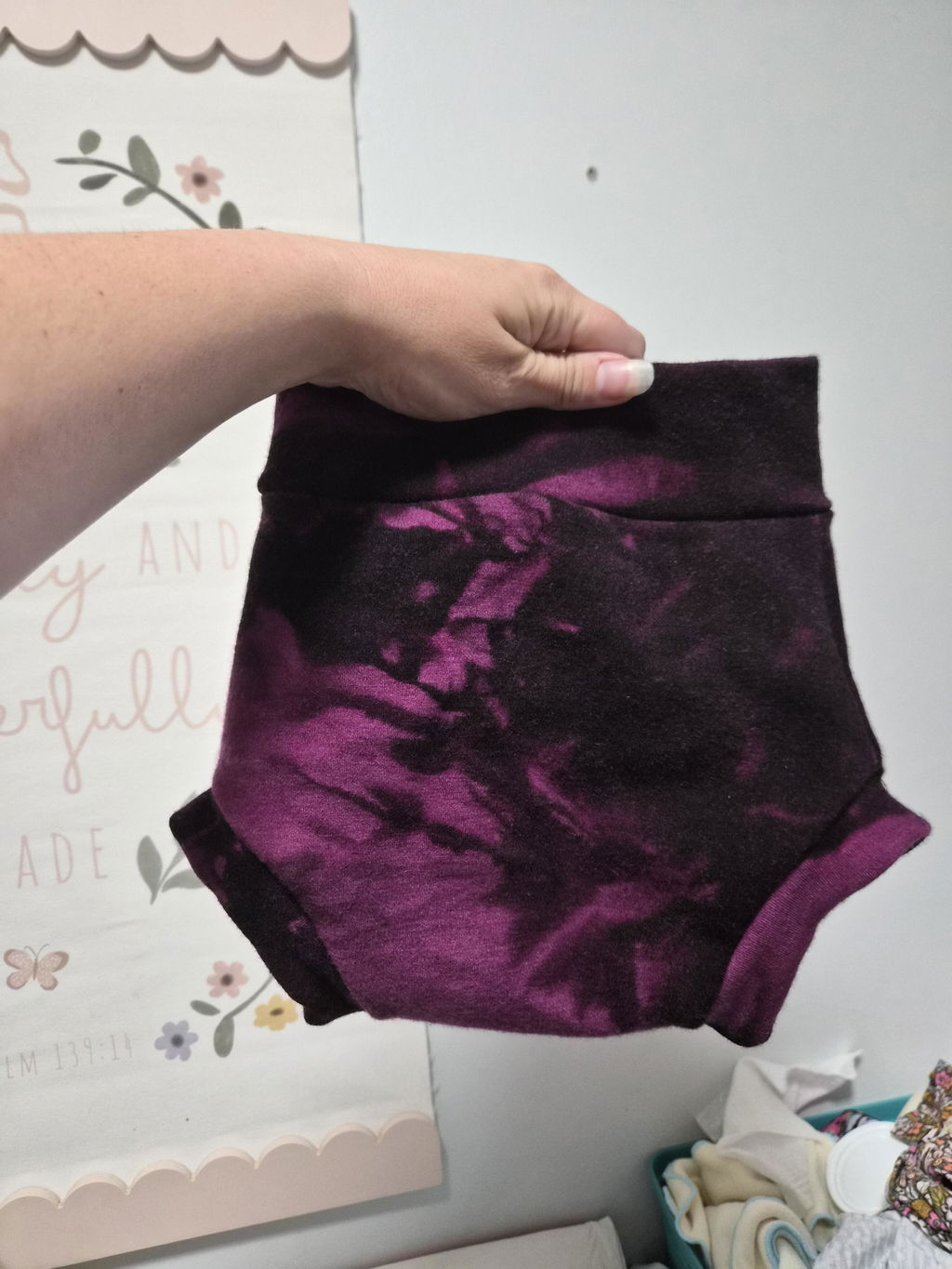
Works so well on the covers
C
Traditional Large Saskatoon Berry Smash The quality is unmatched 👌
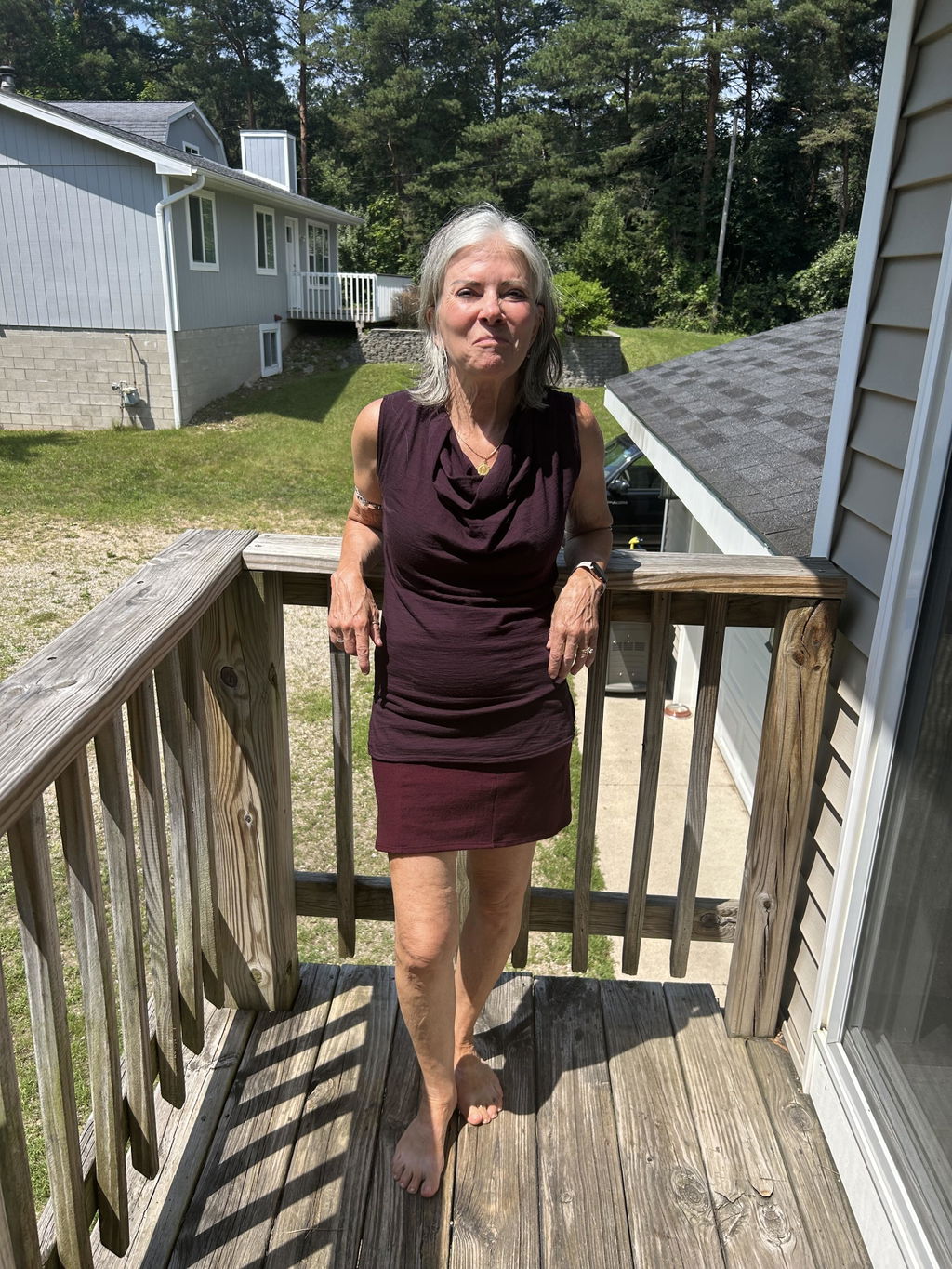
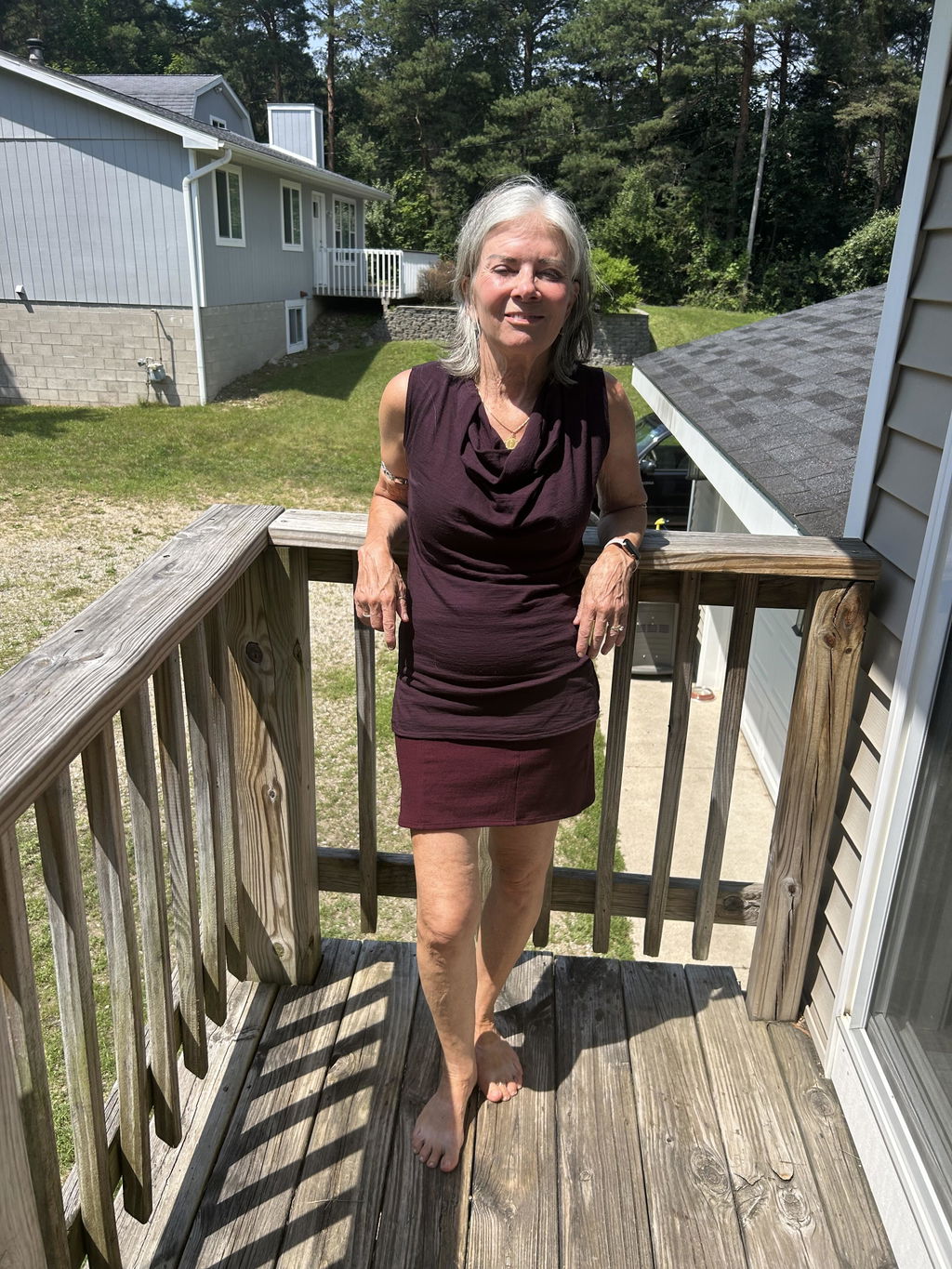
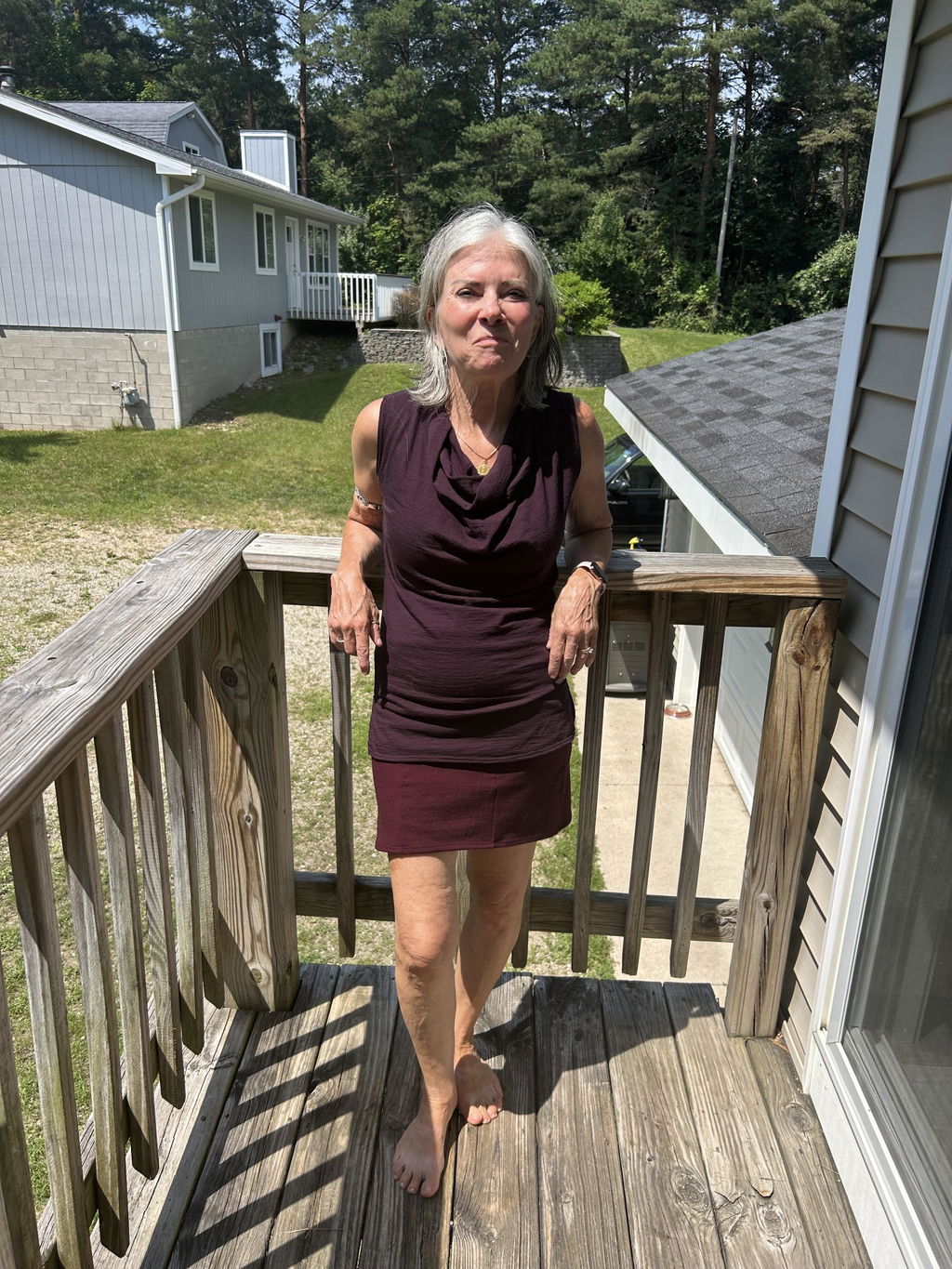
Great selection of scraps! Will come to good use. Shipping was quick!
All Diaper Covers come Pre-Lanolized
You are almost there. Spend $250 more to earn shipping on us Congratulations - Shipping is now on us!
I'm Steph. I've been making wool diaper covers since 2007 out of a workshop in Red Deer, Alberta, with a team of four people... two of whom have been with me for sixteen years. We're not a big company. We're not fancy. We make things by hand, we answer our own messages, and we genuinely care whether this works for you.
I started because I needed something that didn't exist yet. I figured it out the messy way; through mistakes, through trial and error, through a community of parents who helped each other without judgment. Now I make it my job to make that easier for the next person.
This page is everything I know about wool. No fluff. No gatekeeping. No babysitting. Just honest answers from someone who has heard every question, made every mistake, and helped thousands of families figure this out. Most people who find their way here have already done their research, or they're troubleshooting something that isn't working. Either way; you're in the right place.
You don't have to do things exactly the way I do. You don't have to go all in. You just have to find what works for your family; and I'll help you get there.
Come as you are. Ask anything.
— Steph
Is wool worth it?
How does wool diapering work?
How do I take care of it?
Something went wrong. Help.
Why Bumby?
The bigger picture
"Isn't wool just for crunchy parents?"
Wool diaper covers have been around for thousands of years; long before disposables, long before PUL plastic covers, long before anyone used the word "crunchy." They work because of how the fiber is built, not because of a trend. Wool is hollow inside, which means it absorbs moisture without feeling wet. It's naturally antibacterial. It regulates temperature in both warm and cold weather. And with the right care, one cover can outlast the whole diaper stage and still be passed to the next kid. That's not a lifestyle choice; that's just a really good material doing what it's always done.
Shop Bumby Wool Diaper Covers →
"Isn't wool itchy? I'm not putting something scratchy on my baby."
The wool you're picturing is probably a different animal entirely; literally. Bumby uses fine Merino wool, which is a specific breed of sheep known for producing an exceptionally soft fiber. Merino is what goes in high-end base layers and athletic gear. It's not scratchy. It's soft against a baby's skin in a way most synthetic fabrics can't match. The itchy sweater in your memory was probably a different fiber altogether.
Feel the difference — Shop Bumby Merino Covers →
"Don't you have to hand wash it? I don't have time for that."
Nope. Bumby wool is machine washable. Cold water, gentle cycle, wool-safe detergent diluted in the water before it goes in. That's it. Take it out when the cycle ends, lay it flat to dry. I built machine washability into everything I make because I'm a parent too and hand washing a pile of diapers at 11pm is nobody's idea of a good time.
Shop Unicorn Wash — our recommended wool detergent →
"Wool costs more upfront. How is this actually cheaper?"
Most families save between 500 and 900 dollars per year switching from disposables to cloth; after the initial investment. And a Bumby cover, cared for properly, can go from your first baby to your third. The upfront cost is real. So is the long-term math. One cover is tricky to work with on its own since wool needs to air dry between uses; starting with two or three means you always have one ready to go. And if you decide it's not for you, Bumby covers hold their value well; you can sell them on our buy/sell/trade group and recoup most of what you spent.
Shop Bumby Wool Covers — start with two or three →
Join the Bumby Wool Buy/Sell/Trade Group →
"Will my baby overheat in wool?"
This is the question I get most in summer and the answer surprises people every time. Yes, wool is thicker than a PUL cover; but thicker doesn't mean hotter. Think about it this way... putting a plastic cover on your baby is like wrapping yourself in a thin garbage bag and going for a jog. Wool breathes. It regulates temperature in both directions; keeping warmth in when it's cold and managing humidity and heat when it's warm. The hollow fiber creates a microclimate next to the skin that stays comfortable regardless of the temperature outside. Families consistently find far fewer rashes and way less swamp butt with wool than any other diapering system short of going naked. I reach for wool in July.
"I've looked at cloth diapering options and there are about 47 of them. Help."
I know. The cloth diapering world is full of jargon and options and opinions and it's genuinely overwhelming. Here's the version that actually matters; two layers. An inner layer that absorbs; a flat, a prefold, a fitted diaper. And an outer layer that protects. That outer layer can be PUL plastic, rubber pants, or even a shower curtain... literally; the shower curtain was the first cloth diaper cover that wasn't wool. These days most people reach for PUL because it's cheap and easy to find. But wool was there first, and there's a reason families keep coming back to it. The inner layer catches the mess. The outer layer keeps everything contained. You don't need a system. You need two things.
Shop Bumby Cotton Diapers — the perfect inner layer →
"What's the difference between your cover styles?"
I make four; Traditional, Explorer, Abrazo, and Brief. Here's the short version.
The Traditional is our original; trim, snug, fits neatly under clothing. Everyday essential. If you're not sure where to start and your baby has an average build, this is where most people land.
The Explorer has lower leg cuffs that look more like little shorts; more coverage through the legs, great for chunkier builds or families who want a cover that doubles as an outfit in warmer weather.
The Abrazo has hook-and-loop closures and adjustable rise and waist tabs. I was asked for years to make a cover with closures; snaps were the obvious choice but they pull out of soft stretchy wool too easily. Hook-and-loop turned out to be the answer; it looks more like a traditional diaper cover and a lot of families love it. Personally I'm a pull-on person, but if you want something adjustable and more conventional-looking, the Abrazo is your cover.
The Brief has a taller rise and higher leg cuffs; built for longer, leaner builds that need more coverage.
Not sure which one? Message us. Sizing and fit is where I genuinely love to help.
"What goes inside the cover?"
Natural fibers work best with wool; cotton flats, prefolds, hemp, or bamboo fitted diapers. Wool breathes, and natural fiber inners breathe with it. Synthetic inners tend to cause compression leaks and hold onto smell in a way natural fibers don't; best to avoid them. We make our own cotton diaper that pairs beautifully with our covers, and for heavy wetters hemp is hard to beat; it absorbs slowly and holds a lot, which is exactly what you want overnight or for a baby who goes hard between changes. You don't need anything fancy; a simple flat or prefold does the job.
"What's lanolin and why does everyone keep mentioning it?"
Lanolin is a naturally occurring wax that comes from sheep; it's a byproduct of the shearing process, the same substance that keeps a sheep's wool from getting waterlogged in the rain. When you treat wool with lanolin, it becomes water-resistant and... here's the part that genuinely amazes people; it reacts chemically with urine to neutralize it, turning it into a soap-and-water compound. This is why a lanolin-treated wool cover can be worn multiple times and simply air-dried between uses without washing or smelling. Lanolin is the whole reason wool diapering works the way it does.
Shop Lanolin and Lanolizing Supplies →
"Do I have to lanolize before I use it?"
Your Bumby cover arrives already lanolized and ready to use. I treat everything before it leaves the workshop. Take it out of the package and put it on your baby; that's it. After your first wash, you'll re-lanolize; and I'll walk you through exactly how to do that below.
"Walk me through the actual care routine. Like, the real one."
Here's what a regular routine looks like. You put the cover on your baby. Baby does what babies do. You take it off and hang it up to air dry; wool self-cleans as it dries, neutralizing odor almost like magic. It's genuinely one of nature's better gifts. You can often go a month between full washes with just air drying in between. A quick cold rinse and a spin in the machine can help keep things fresh if you want to stretch it a little longer. Wash it properly when there's poop involved, or anything like carrot puree that will stain; otherwise air drying is usually all it needs.
When it is time for a full wash; machine wash cold, gentle cycle. Add your wool-safe detergent to the water first and let it fully dilute before the cover goes in. Think of it like shampooing your hair; you wouldn't squirt shampoo directly onto your scalp and leave it there. Wool soaks up whatever touches it fast, and concentrated detergent in one spot won't rinse out evenly. When the cycle finishes, take it out right away. Lay it flat to dry. That's the whole routine.
"What detergent should I use on wool diaper covers?"
Unicorn Wash is what I recommend; it's specifically formulated for wool and it works. Always dilute it in the water first and never apply it directly to the fabric. A little goes a long way.
"How do I lanolize a wool diaper cover? It sounds complicated."
It's not complicated. It's just unfamiliar. Once you've done it once you'll wonder what you were nervous about. There are a few ways to do it; start with the easiest and work your way up only if you need to.
Dry Lanolizing (Fastest, Cheapest, Our Favourite)
No water, no basin, no waiting. Melt a small amount of lanolin between your fingertips, warm it across your whole hand, then dab and pat it onto the inside of the cover. Turn it right side out and massage it in. Dry and ready to go.
This works because of how Bumby wool is built. Our fine Merino interlock is a dense, tight knit; think tiles that are already nearly touching. With chunkier hand knits, the lanolin acts like mortar filling the gaps between bricks; you need to emulsify it and work it all the way through. With our interlock the gaps are already so small that dry lanolizing does the job beautifully. Is it a trick? Maybe. I prefer to call it laziness through efficiency... or efficiency through laziness, depending on the day.
I'll be honest with you; I heard about dry lanolizing eighteen years ago and did it myself. Then I went down the rabbit hole of the "normal" way when I started selling lanolin, and forgot about it entirely. It wasn't until I started offering pre-lanolized covers and had to do it again myself that I remembered... my kids are older now, so it had been a while. When it came back to me I felt genuine guilt for not sharing this sooner. All those years of people nervously emulsifying blocks when they could have just used their hands. My bad. I'm sorry. But I'm here now.
Shop Lanolin for Dry Lanolizing →
Emulsion Block Method (DIY, Affordable, Great for Bigger Batches)
Heat a small amount of water and add your emulsion block; crush or break it up to help it along, it doesn't need to fully dissolve. Use about half a tablespoon to one tablespoon of lanolin per cover you're doing. You're making a concentrated mixture here; too much water to lanolin and it won't emulsify properly. Once you have your concentrate, add some to a basin of room temperature distilled water; distilled is best because some water chemistry just doesn't play nicely with lanolin. Certain minerals interfere, and water chemistry matters more here than temperature. The main reason we keep it cool is to protect the dyes; warm water and wool dyes aren't friends.
Work one cover at a time; turn it inside out, dunk it, agitate gently. Lanolin wants to bond with wool; it jumps on fast, so there's no need to soak. Add more concentrate as needed between covers. I like doing this right after washing while the wool is still damp. If the lanolin clumps, microwave the mixture in a glass bowl and try again; we're not looking for perfection, just getting the wax into the fiber. Once done, turn the cover right side out and do a quick rinse and spin in the machine to remove any excess water and soap. Lay flat to dry.
Bumby Blend (Pre-Mixed, Removes a Step)
Our Blend is a pre-emulsified lanolin; the hard work is already done for you. Same process as the emulsion block method but without the heating and concentrating step. Shake the bottle well, add to a basin of room temperature distilled water, dunk your cover, agitate briefly, rinse and spin, lay flat to dry. Lanolin bonds fast; no soaking needed.
Rise & Refresh (For Wool Clothing)
Our newer product, designed for non-diapering wool; sweaters, pants, and other clothing. It has a little more soap in the formula which gives a lighter lanolin treatment; just enough to condition and protect. Use it the same way as the Blend. No soaking needed.
"How do I know when my wool diaper cover needs lanolizing again?"
Well-lanolized wool barely smells at all; that's the whole point. If you start noticing smell it's simply your cover telling you it's time for a wash and re-lanolize. That's not a problem; that's the system working exactly as it should. If it leaks, the first thing to check is always the lanolin.
"Can I put a wool diaper cover in the dryer?"
No. Lay flat to dry, always. But here's the thing; we pre-felt every Bumby cover ourselves before it ever reaches you. Boiling water, a top load washer beating it around, a wash with Unicorn Clean and Soft, then the dryer to fluff and set it. We do this because it makes the fabric beautiful, sets the dyes, and builds in some real-world forgiveness. Should you put it in the dryer? No. If it happens anyway... you might be surprised to find it came out just fine, or close to it. It's not ideal but it's not a five alarm emergency either. Even if your spouse or in-law did it to be "helpful." We've heard that one before. You can probably guilt them into some chocolate out of it... but that's entirely up to you.
"Will a wool diaper cover shrink in the wash?"
Bumby diapering wool is feltable wool with a touch of lycra; that's the magic that makes it machine washable. We pre-felt and pre-shrink everything before it reaches you, which means the shrinking has already happened. It's just good old physics, done in advance.
Untreated 100% feltable wool is a different story entirely. Put that in a warm wash with any agitation and you're looking at something stiff enough to cover a pool table... and that's not a joke, pool table felt is wool too. So is the original craft felt; it was made from wool for centuries before acrylic took over, which is literally why it's called felt. Or you get the tiny sweater from every 80s sitcom where someone's husband did the laundry wrong. Either way, follow the care routine above and your Bumby cover will be just fine.
We do offer superwash wool in some of our non-diapering products; our jersey and dreamweight lines are superwash treated for a lighter, t-shirt weight feel. We're upfront about that. It's not evil; it's just the right treatment for the right product. And for those we use USA Chargeurs wool, grown right in the US. Every material choice we make has a reason behind it.
"Why is my wool diaper cover leaking?"
Before you do anything; make sure it's actually a consistent problem. Sometimes it's just a one-off. Kiddo was extra thirsty that day and there was simply too much to handle. They were sitting funny. The fold or pin on the inner wasn't quite right that time. One leak doesn't mean something is wrong; try again and see if it happens consistently before you start troubleshooting.
It's always fixable. This is not a national crisis. Let's do some recon. Wool creates a little microclimate of absorption and evaporation right next to your baby's skin. When everything is in balance it's almost magical; but if there's more moisture than the system can handle, it will leak. The fix is almost always one of two things; more lanolin, or more absorbency in the inner layer. Re-lanolize first and see if that solves it. If it doesn't, try adding a cotton flat or a hemp booster inside. More absorbency gives the wool more time to do its job.
If it still leaks, check the fit; but wool fit is different from what you might expect. Unlike plastic covers, wool doesn't rely on a tight leg seal. The wool itself is the cover, cuffs included. Too tight and it can actually compress and work against you. What you're looking for is good coverage with room for airflow; that's part of how the whole system works. More lanolin or more absorbency is almost always the answer before fit even comes into it. If you've checked all of these and you're still stuck, message me. I mean that.
Shop Lanolizing Supplies →
Shop Bumby Cotton Diapers and Boosters →
Contact Steph →
"Does wool smell?"
Here's what surprises most people; wool diaper systems barely smell at all. You know that ammonia smell that hits you like a wall when you walk into your baby's room in the morning? That's a plastic cover problem. While other covers trap moisture and let it fester overnight, wool is busy evaporating and neutralizing all night long. If you do notice a smell building up over time it just means the lanolin is due for a refresh; a wash and re-lanolize and you're back to nothing. Check the inner layer too if it persists; that's usually where any real smell is coming from.
Shop Unicorn Wash →
Shop Lanolizing Supplies →
"I think I washed it wrong and it shrank. What do I do?"
If it's Bumby wool, chances are it's fine. We've had people accidentally wash their covers with their regular diaper laundry and come out the other side completely unscathed. We really do pre-shrink; it's not a marketing claim. The bigger thing to watch for isn't heat; it's detergent with protein-eating enzymes, which can break down wool fiber over time. Regular diaper detergents often contain them, so it's worth checking yours. If something seems off; give it a good rinse, re-lanolize, and move on. Nine times out of ten that's all it needs.
Contact Steph if you need help →
"My baby has a rash. Could it be the wool?"
Wool sensitivity exists but it's less common than people think, especially with fine Merino. I've had several families tell me they had to give up wool due to an allergy; only to come back later and tell me they figured out it was something else entirely.
Here's something most people don't know; wool has tiny natural scales along the fiber, and those scales are actually what causes felting. Those same scales can feel a little scratchy against dry or sensitive skin at first. But lanolin coats the scales and soothes the skin; most people find wool feels a little funny for about a minute and then they forget they're wearing it entirely. It's like being naked but better regulated. That little microclimate doing its thing again.
If there is a rash, the first things to check are detergent residue, the soap used during lanolizing, or the inner layer rather than the wool itself. The dry lanolizing method sidesteps the soap issue entirely, which is another reason I love it. And before you assume it's the wool; you know what they say about assuming. I didn't discover my own dairy allergy until I was 40, and my son had constant diaper rashes that I didn't connect to dairy until much later either. Sometimes the answer is nowhere near where you're looking. Food allergies and other sensitivities are worth considering before the wool gets the blame. Rule everything else out first. If you have a genuine concern about your baby's skin, talk to your doctor; I'm a wool person, not a medical one.
Shop Lanolin — gentle, natural, skin-soothing →
"What makes Bumby different from other wool diaper covers?"
A few things I'm genuinely proud of. Our wool is fine Merino, sourced from Australia, knitted in North America, and sewn here in Red Deer, Alberta by our team of four. Two of my first hires have been with me for sixteen years. We're a small Canadian workshop, woman-owned, making everything to order; nothing sits in a warehouse waiting. Every cover is made for someone.
We're also the only ones I know of talking openly about dry lanolizing; melting a small amount of lanolin between your fingertips and applying it directly to the wool without any soaking process at all. It's faster, simpler, and works beautifully. I didn't invent lanolin. I just made the process as easy as humanly possible because that's the whole point.
"Is Bumby wool really machine washable? Many wool brands suggest hand washing."
Really machine washable. Many wool brands suggest hand washing; and I get it, wool has a reputation. But I actually lived without a washing machine for over a year and hand washed everything. Honestly? The machine does a better job. Hand washing tends to leave too much soap and water in the fabric, and wringing it out is hard on the fibers. Cold water, gentle cycle, done. I built this in on purpose because the biggest barrier to wool diapering has always been the care; and I wanted to remove it.
"Does Bumby ship to the US?"
Yes. Flat rate to the contiguous US; our products are CUSMA certified and duty-free. We handle customs clearance on our end so there are no surprise charges at your door.
Shop Bumby — ships to the US →
"What if something goes wrong with my order?"
You call me. Actually; you email me, or you message me, or you find me in the community. I'm not hiding behind a ticket system. My team and I are here and we stand behind what we make. If something isn't right, we'll fix it.
Contact Steph →
Join the Bumby Wool Facebook Community →
"Do you do repairs?"
Wool clothing like pants and sweaters can get holes in the knees or need a little love over time; we offer low cost repairs even ten years later. Covers are honestly so durable we've rarely ever had to repair one in eighteen years; they just keep going, get passed down, and sold on. But if something ever does need attention we're happy to help. That's the whole point of making something well. We also help with the logistics; you get access to our shipping channel and we handle all the customs paperwork so you just pay, print, and ship. Reach out and we'll figure out what's possible.
"Is cloth diapering really better for the environment?"
Wool is renewable and biodegradable. PUL plastic covers are not. Disposable diapers take hundreds of years to break down in landfill; a family using disposables full-time contributes thousands of them over the diaper years. Cloth diapering, especially with natural fibers, meaningfully reduces that. But I'm not here to make anyone feel guilty about their choices. I'm here to make the natural option as easy as the convenient one; because I think if it's just as easy, more people will choose it. That's the goal.
Shop Bumby Wool — the natural choice →
"Do I have to go all in on cloth diapering?"
Absolutely not. And honestly; if you've read this far, you're already doing better than most. Not everyone even gets here. Kudos. A lot of Bumby families use wool covers at night and disposables during the day. Some use cloth at home and disposables when they're out. Some start with one cover to see how it goes. There's no minimum commitment here. Do what works for your family; wool works whether it's full time or part time.
Start with one cover — Shop Bumby →
"My baby is almost out of diapers. Is there still a reason to buy Bumby?"
The diaper cover is just the beginning. The wool we use is genuinely great for everything; and we figured that out because customers asked. Wool pants made sense first; wool as the outermost layer is actually the best way to wear it, and pants are just a cover with more coverage. Then kids didn't want to wear anything else. Jeans are icky and scratchy apparently. "I want my bumbies from Miss Stephanie" has genuinely been said to me and I did not bribe anyone. Then came sweater sets. Then winter gear. Then the moms wanted it for themselves.
Every single product we make was developed with a customer; someone asked me to make them something special, I listened, and here we are. I get bored very easily and I love designing; it's my passion. So if your baby is almost out of diapers, that's not the end of your Bumby journey. It's just the part where the wool stops being hidden under clothing and starts being the whole outfit.
Then other caregivers got involved; grandparents, dads, aunties, foster parents. Then retired cruise ship travelers designing for themselves. Then DINKs — double income no kids — and single rockstars living their best wool life. Wool is for everyone and I am here to celebrate your uniqueness in it. Whatever brought you here, welcome.
That's what I'm here for.
You can find me and our community in the Bumby Wool Facebook Group; it's the warmest corner of the internet I know of, and no question is too basic. You can also email us directly at letscreate@bumbywool.com.
I pick up the phone too. I know that's not how most brands work anymore. It's how I work.
Welcome to the village.
— Steph
Join the Bumby Wool Facebook Group →
Email Steph → letscreate@bumbywool.com
Shop Bumby Wool →
That's your clean Tab 1. A couple of things to flag before you paste it in:
Be the first to get notified about new arrivals, seasonal colours, and Bumby Bolds!
Works so well on the covers
The quality is unmatched 👌
It fits almost perfect. Very comfortable.
This is such a beautiful color. It fits perfectly.
Great selection of scraps! Will come to good use. Shipping was quick!