Grounded in Maine Meets Bumby: A Conversation About Wool, Sustainability and Building With Purpose
Some podcast conversations stay neatly on one topic.
This was not one of them.
When I joined Amy Bolduc on the Grounded in Maine Podcast, we started with Merino wool and Bumby Wool, but the conversation quickly opened into something much bigger.
We talked about sustainability, circular fashion, motherhood, body changes, business growth, individuality, community, the pace of modern life, and what it means to build something with intention.
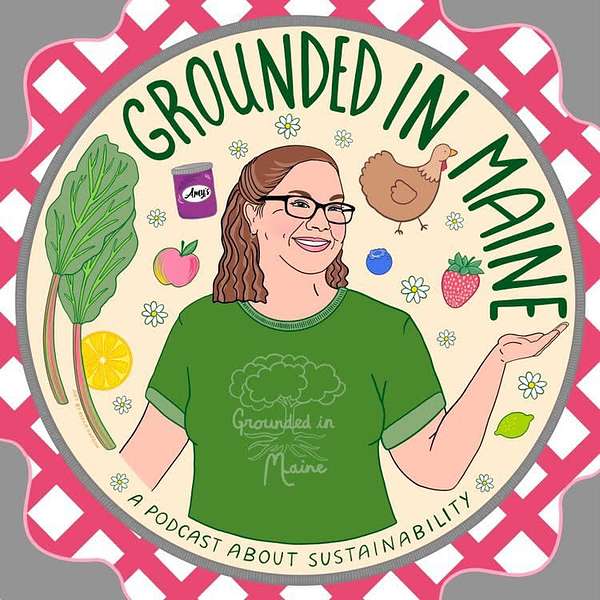
Grounded in Maine is built around open conversations about being mindful of how we show up for the world. The podcast explores the role we all play in sustainability, from gardening and preserving to recycling, composting, household DIY, and ecological responsibility.
What I especially love about Amy’s approach is the emphasis on empowering people to see themselves as part of the solution instead of becoming overwhelmed by the state of the world.
That is a conversation I can get behind.
You can listen to the audio episode on Buzzsprout or watch our conversation on YouTube.
It Started With Wool
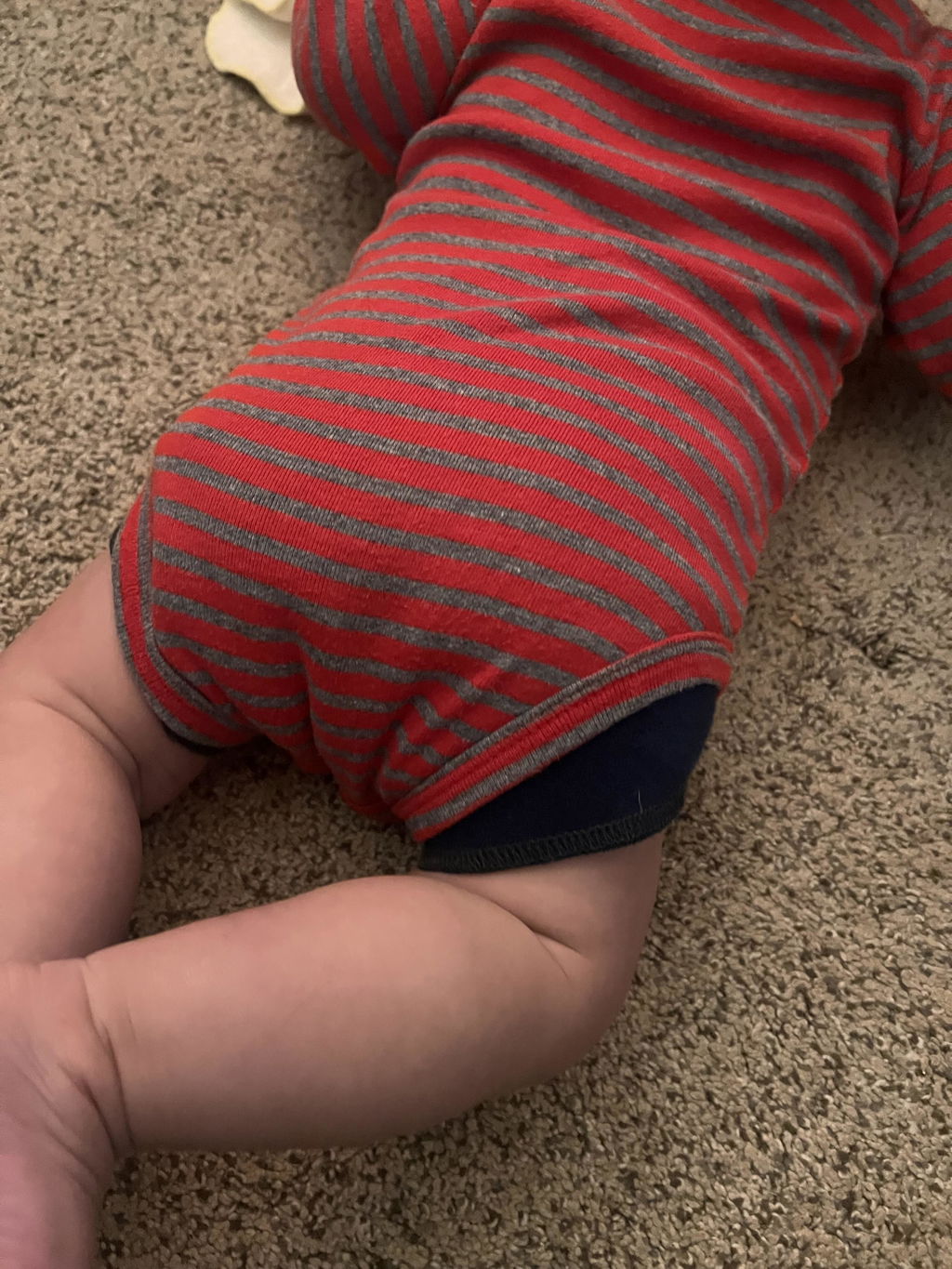
Bumby Wool started in 2007 with cloth diaper covers.
At the time, I was solving a problem for my own family. Wool made sense because of what the fibre naturally does so well.
It manages moisture.
It helps regulate temperature.
It can be reused again and again.
And when you understand how to work with it, wool becomes an incredibly functional material.
During the podcast, Amy and I talked about wool almost like a natural technology.
You do not have to engineer it to understand whether the person wearing it is warm or cold.
The fibre already responds to the environment around it.
That is part of what fascinated me in the beginning, and nearly two decades later, I am still finding new ways to use it.
Bumby eventually grew far beyond diaper covers into clothing for babies, children and adults, but that original question has never really changed.
How can we use a natural fibre intelligently to make everyday life more comfortable?
Sustainability Is More Than What Something Is Made From
Using wool is part of Bumby's sustainability story.
It is not the entire story.
For me, sustainability also means looking at what already exists and asking how we can keep it useful longer.
If someone's body changes because of pregnancy, weight changes, growth, or simply life, that should not automatically mean the garment has reached the end of its usefulness.
Whenever possible, Bumby garments can come back to us to be altered.
That is one of the ideas Amy and I explored during our conversation because circular fashion is not only about choosing a better fibre.
It is about designing a different relationship with the things we own.
Can we repair it?
Can we resize it?
Can we pass it along?
Can we use the material again?
Can we make something worth keeping in the first place?
Those questions are far more interesting to me than simply asking how much more we can produce.
Bodies Change. Clothing Should Be Allowed to Change Too.
Our conversation naturally moved from alterations into body positivity and individuality.
Bodies are not static.
We grow.
We have babies.
We age.
We gain weight.
We lose weight.
Our needs change.
Our preferences change.
Yet clothing is often designed around the idea that our bodies should somehow remain consistent enough to fit the garment.
I have always found that backwards.
The clothing works for the person.
The person does not exist to fit the clothing.
That idea has influenced Bumby's custom sizing, our alteration work, and the way I think about design in general.
When we stop treating body changes as a failure and start treating them as a normal part of being human, we can design clothing and systems that are much kinder.
Using What Already Exists
One of my favourite parts of sustainability is creativity.
Restrictions force you to look at things differently.
A smaller piece of fabric might not be enough for one garment, but it might become part of something else.
An existing garment may no longer fit one person, but it may still have years of life left.
A product that has served one purpose might be redesigned to serve another.
Bumby has always been comfortable working this way.
Sometimes the most sustainable material is not the newest material.
It is the one that is already sitting in front of you.
That mindset applies far beyond clothing.
It is a way of thinking about resources, businesses, communities, and even ourselves.
Before assuming we need something entirely new, it is worth asking what we already have that could be used differently.
Finding Clarity When Everything Is Moving
Amy and I also talked about change.
And there has been a lot of it.
Running a business means constantly making decisions while the environment around you changes.
Technology changes.
Customers change.
Families change.
Markets change.
Your own understanding of what you are building changes.
Sometimes the hardest part is not finding another idea.
It is finding enough quiet to understand which ideas actually matter.
That has become increasingly important to me.
There will always be another platform.
Another strategy.
Another trend.
Another thing a business owner is apparently supposed to be doing immediately.
You cannot chase all of them.
At some point, you have to get clear about what you care about and build from there.
Growth Does Not Always Mean Becoming Bigger
We talked a lot about personal and professional growth too.
I think growth gets confused with expansion.
More revenue.
More employees.
More products.
More locations.
More everything.
Those things can be forms of growth, but they are not the only ones.
Sometimes growth looks like understanding your purpose more clearly.
Sometimes it means eliminating something that no longer fits.
Sometimes it means developing a better system.
Sometimes it means becoming comfortable saying no.
And sometimes it means realizing that the business you started years ago has evolved into something much larger than the original product.
That has certainly been true for Bumby.
Meaningful Things Matter More
Another part of the conversation that stayed with me was the idea of meaningful gifting.
We live in a world where buying something is incredibly easy.
That does not necessarily make the things we buy meaningful.
I am much more interested in objects that have stories.
Something made specifically for someone.
Something repaired instead of replaced.
Something passed down.
Something created by a person whose work you want to support.
Something that will still mean something years from now.
That shift from simply consuming more toward choosing things with intention is part of the same sustainability conversation.
It is not about never buying anything.
It is about caring more about what we choose.
If You Care About Something, Build It Well and Build It Ethically
Amy pulled out a sentence from our conversation that probably sums up a lot of my philosophy:
If you care about something, build it well and build it ethically.
That applies to clothing.
It applies to businesses.
It applies to teams.
It applies to communities.
And honestly, it applies to life.
Building well usually takes longer.
Building ethically sometimes requires choosing the harder option.
Neither guarantees everything will go smoothly.
But if I am going to spend years of my life building something, I want to be proud of how it was built, not only of what it became.
Meet Amy Bolduc and Grounded in Maine
Amy Bolduc hosts the Grounded in Maine Podcast, an open conversation about being mindful of how we show up for the world.
The show explores sustainability from a very practical and human perspective, including gardening, preserving, recycling, composting, household DIY, ecological responsibility, and the everyday choices that help people feel more connected to solutions rather than defeated by problems.
That perspective made our conversation feel very natural.
We could start with wool and suddenly find ourselves talking about bodies, nature, business, personal growth, community, or why humans make the choices we do.
Those are my favourite kinds of conversations.
The ones where you do not quite know where you are going, but somehow all the pieces connect by the end.
You can learn more at Grounded in Maine and follow the podcast on Instagram.
You can also connect with Amy on LinkedIn.
Listen or Watch
If you are interested in wool, sustainable fashion, circular design, entrepreneurship, body positivity, or simply what happens when two curious people start talking about how everything connects, I think you will enjoy this one.
Grounded in Maine with Amy Bolduc featuring Stephanie Gross of Bumby Wool
Listen to the audio episode on Buzzsprout
Watch the full conversation on YouTube
Follow Grounded in Maine on Apple Podcasts
Follow Grounded in Maine on Spotify
Explore the Grounded in Maine YouTube channel
Explore the Grounded in Maine Podcast
Thank you, Amy, for such an easy, thoughtful conversation and for creating a space where sustainability can be talked about without making people feel like they have to solve the entire world before breakfast.