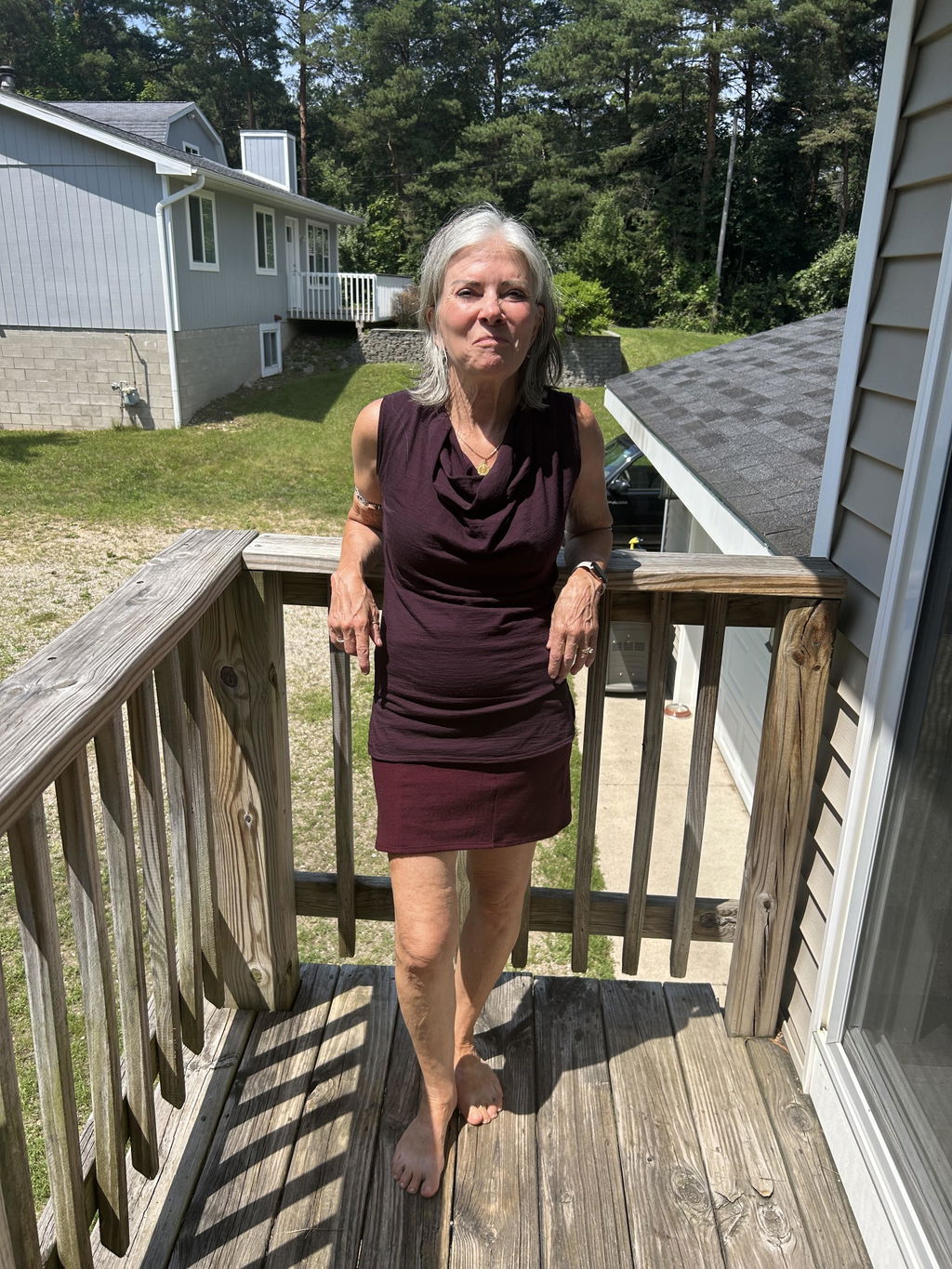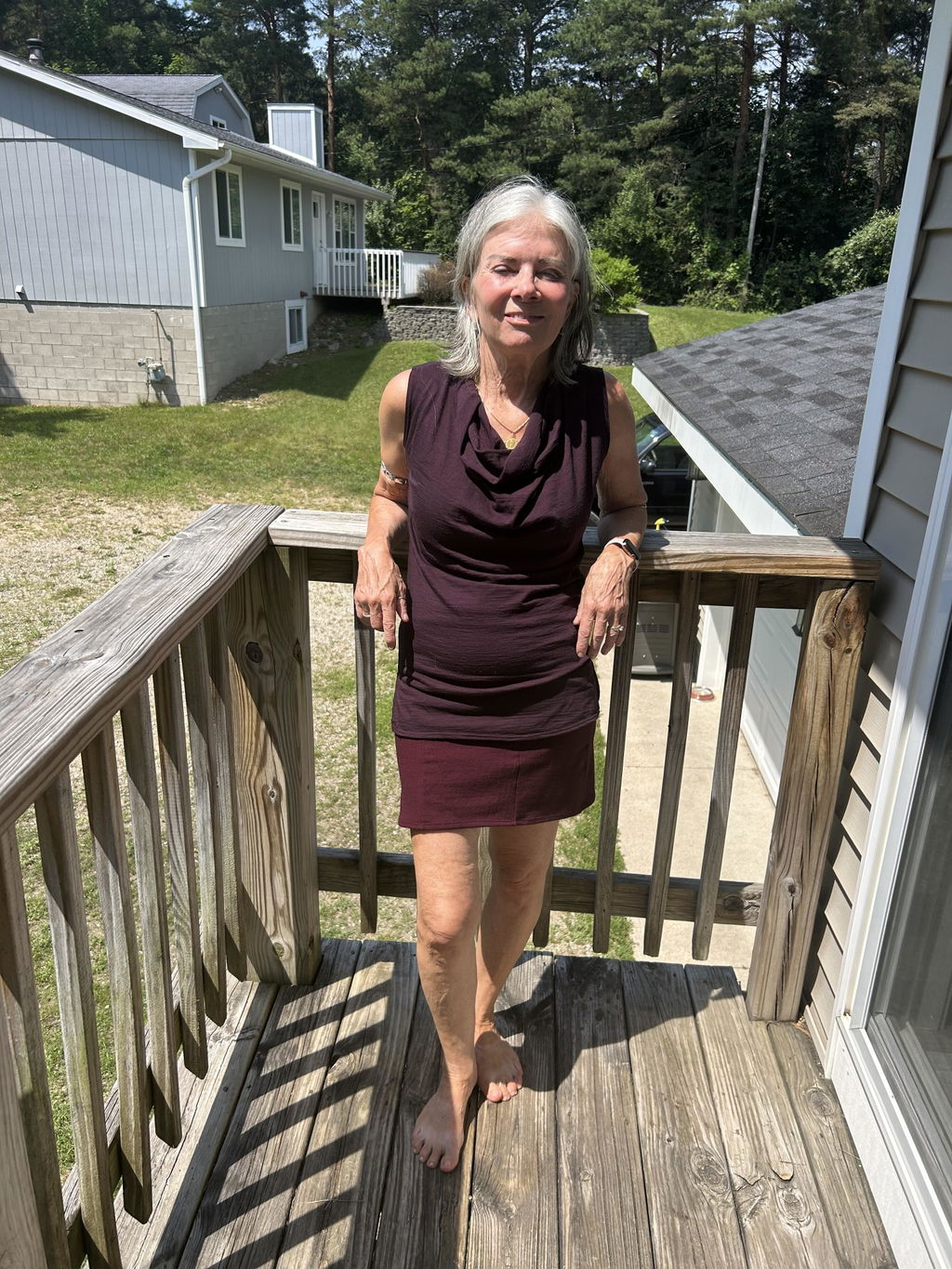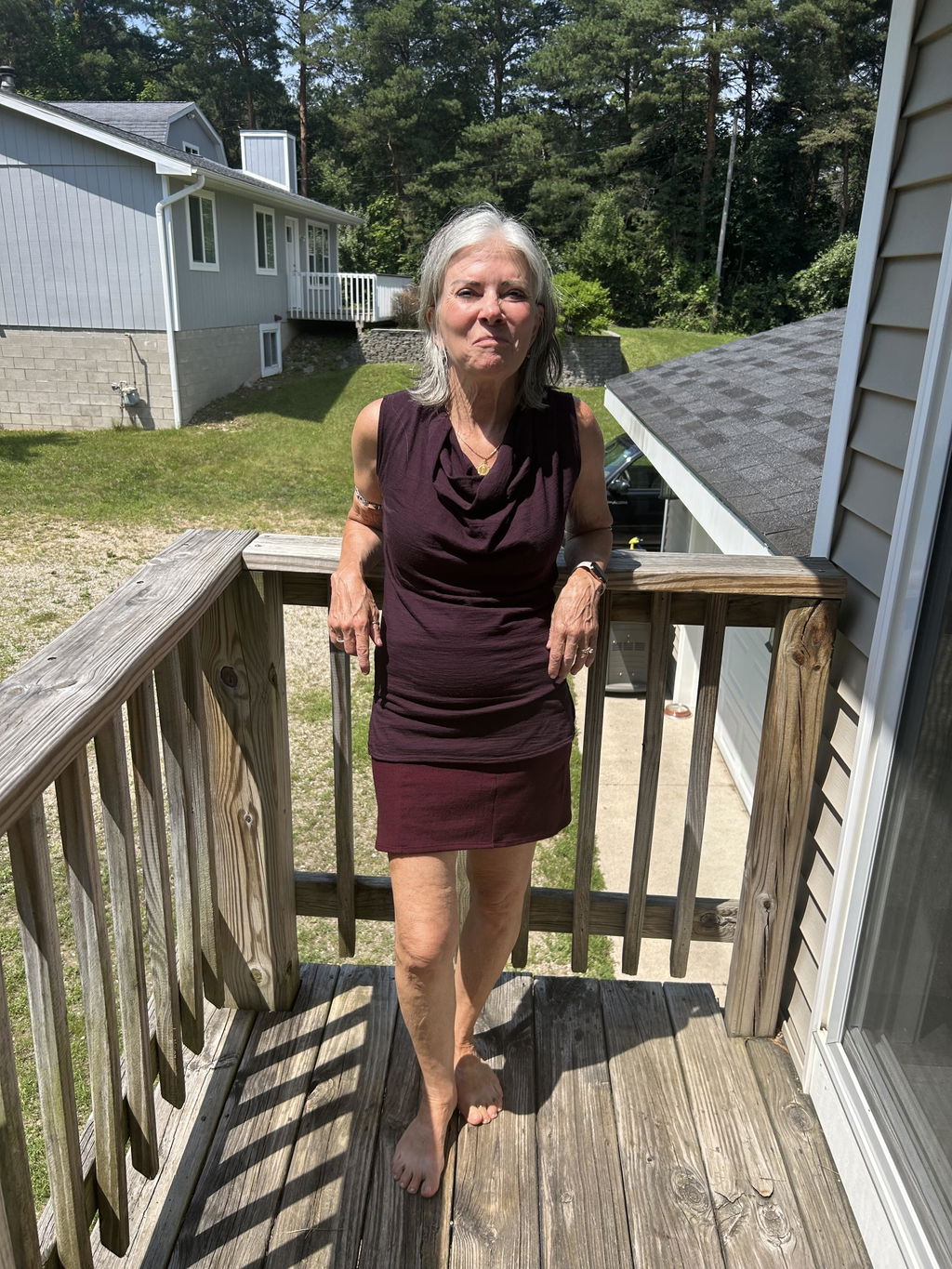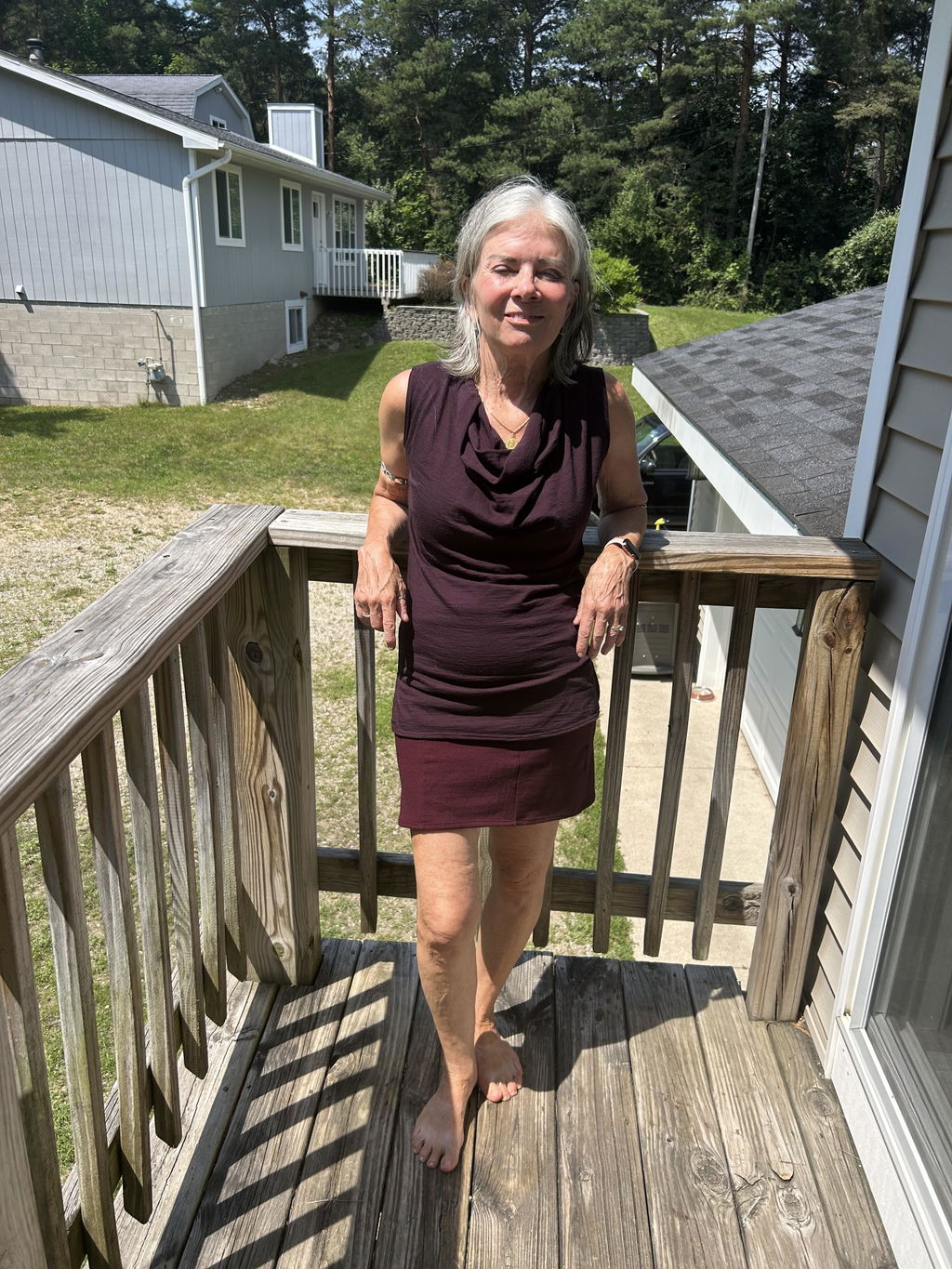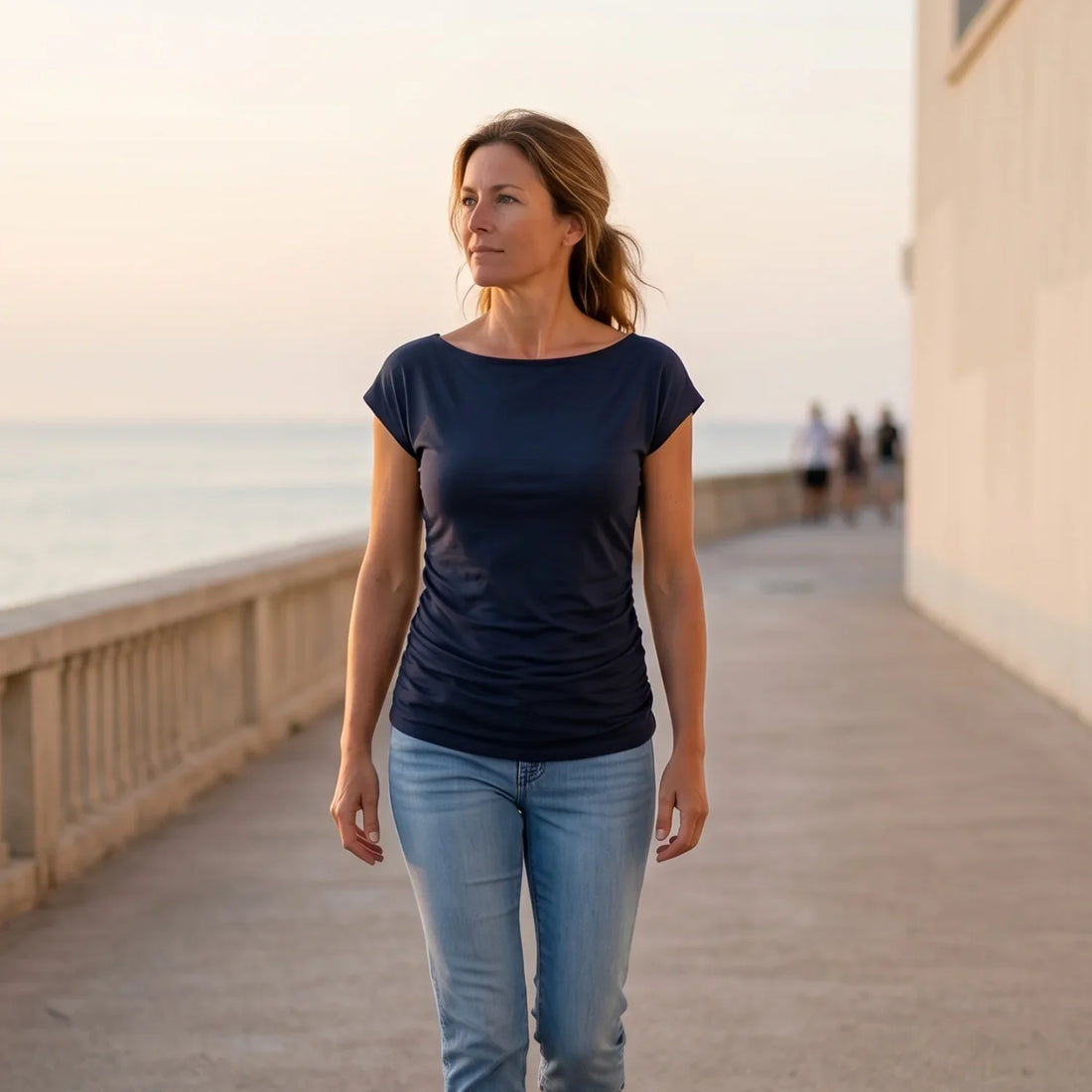
Why Wool Clothing
There's a sweater somewhere in your memory. Scratchy. Heavy. Something your grandmother gave you that you wore exactly once and never again. That sweater is probably why you've never considered wearing wool against your skin.
Here's the thing; that wasn't Merino.
The fiber makes all the difference
Not all wool is the same. What determines whether wool scratches or soothes comes down to the fiber diameter — how fine or coarse the individual strands are. Coarser fibers scratch. Fine Merino, which is what Bumby uses across the board, is in a completely different category. It's what goes into high-end athletic base layers, next-to-skin performance gear, and the kind of clothing people wear for days on end without thinking about it. Most people who try fine Merino for the first time say it feels like almost nothing after the first minute or two. That's the goal — and that's what makes it possible to wear wool every day, not just in the cold months and not just in the backcountry.
What wool actually does for your body
The hollow structure of wool fiber creates a microclimate next to your skin. It absorbs moisture vapor before it becomes sweat, releases it into the air, and keeps things remarkably stable in between. This is why wool regulates temperature in both directions; it keeps warmth in when it's cold and manages heat and humidity when it's warm. It's not thicker-equals-hotter. A plastic or synthetic layer traps everything against your skin. Wool breathes, and your body stays comfortable because of it.
Wool is also naturally antibacterial. The lanolin coating on the fiber — the same naturally occurring wax that makes wool diaper covers work — inhibits the growth of odor-causing bacteria. This is why a fine Merino base layer can be worn for days on a backcountry trip and still smell fine. It's why hikers pack one wool layer for a week and don't think twice about it. It's not magic; it's just a fiber that was built for exactly this.
Why synthetics aren't the same thing
Synthetic performance fabrics were engineered to solve a specific problem — moisture wicking during athletic activity — and they do that reasonably well. Outside of that context, they tend to trap heat, hold odor, and feel uncomfortably warm against skin in everyday use. You know that feeling at the end of a long day in a synthetic top? Wool doesn't do that.
There's also the environmental side. Synthetics shed microplastics every time they go through a wash; those particles move through wastewater systems and into waterways. Wool doesn't. It's a natural fiber, renewable every year when sheep are shorn, and biodegradable at the end of its life. A well-made wool garment also outlasts most synthetic alternatives by years — and gets softer with wear rather than pilling and degrading. The math is different when you account for how long it actually lasts.
Who wool clothing is for
The short answer is everyone. We know that sounds like marketing. It isn't.
We started with wool diaper covers because that's where the need was sharpest — parents who needed something that worked better than what existed. But the same properties that make wool extraordinary for a baby make it extraordinary for a person at any stage of life. For bigger kids who refuse to wear jeans because they're scratchy. For adults who spend long days on their feet and want a fabric that manages with them. For women who want something that handles the realities of their body without a second thought. For hikers who have learned the hard way what the wrong fabric does over ten kilometers. For people who run cold and need something that actually delivers warmth. For people who run warm and need something that breathes.
Wool doesn't ask who you are before it works. It just works.
A note on Bumby wool specifically
Everything we make is machine washable — cold water, gentle cycle, lay flat to dry. We built that in on purpose because the biggest barrier to wool has always been the care, and we wanted to remove it. Our diapering wool is pre-felt and pre-shrunk before it reaches you. Our jersey and dreamweight lines use USA Chargeurs superwash wool; lighter, softer, great for tops and everyday layering. Every weight we offer has a reason behind it, and we're always upfront about what we use and why.
If you're not sure where to start, that's what we're here for.
Shop Women's Wool → Shop Men's Wool → Shop Kids' Wool → Shop Wool Care → Contact Steph →