You know the smell.
You walk into the nursery in the morning and it hits you before you even reach the crib. That sharp ammonia smell that makes you wonder how something so tiny created something so powerful.

A strong overnight diaper smell is not just annoying. It can be a sign that moisture, urine, heat, and odour have been sitting together for hours in a sealed space, right against some of the most sensitive skin in the world.
A lot of parents assume that is just part of cloth diapering.
It does not have to be.
Many diaper covers are designed to stop moisture from escaping. That sounds helpful, and in some situations it is. But when a cover is not breathable, it can also trap warmth, dampness, and odour inside.
I used PUL covers too.
One of my kids did fine with them. The other absolutely did not. We had ammonia smells, leaks, rashes, barnyard inserts, and that constant feeling that I was doing something wrong with the wash routine.
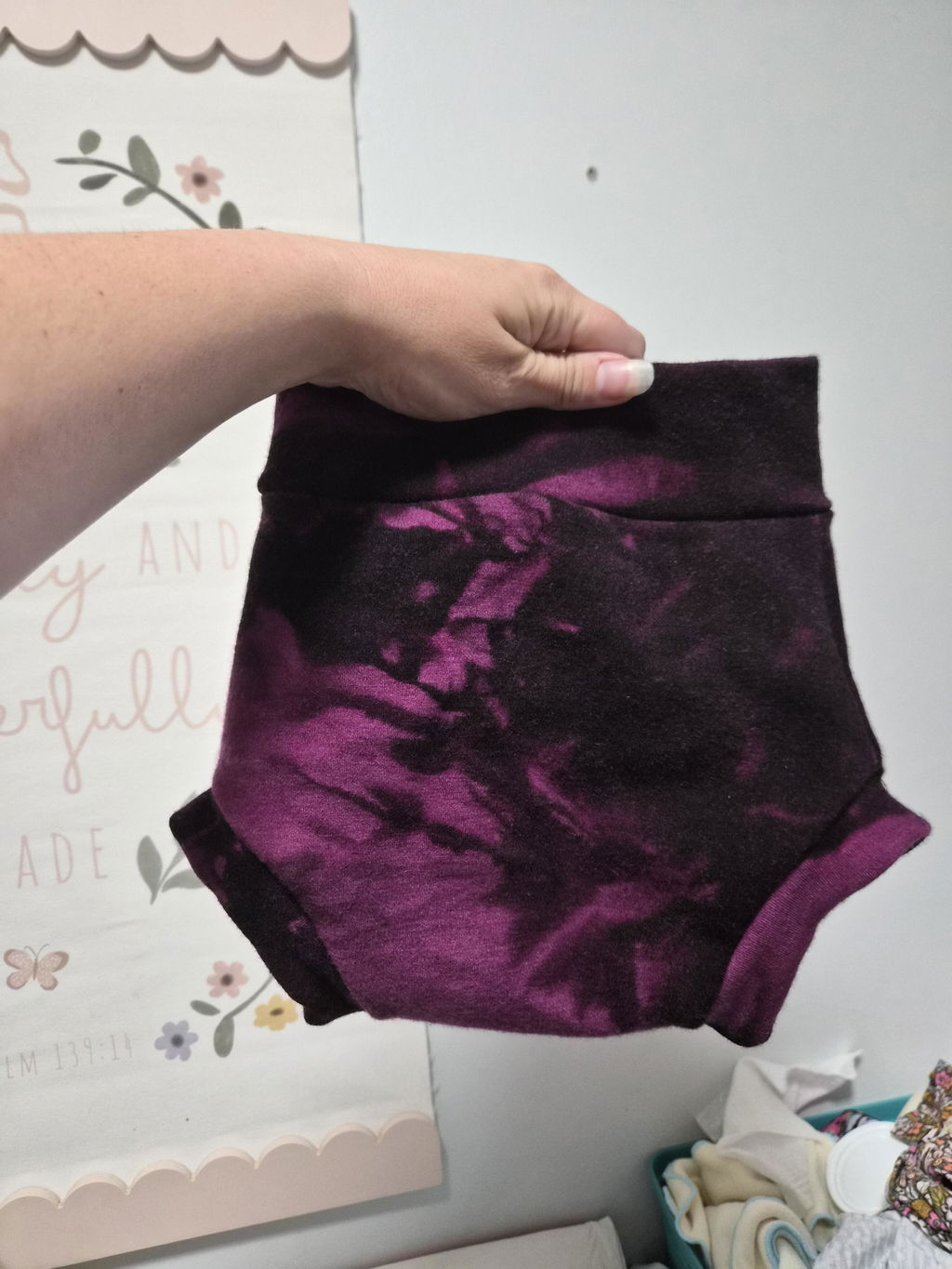
When I switched to wool covers with fitteds, flats, and contours, most of those issues disappeared so quickly it felt like magic.
Not because wool is magic, although honestly, some days it feels suspiciously close. It was because the whole system changed. Instead of relying on a sealed cover and complicated wash troubleshooting, I had breathable wool on the outside and absorbent, easy-to-clean cotton underneath.
If you are dealing with ammonia smells, recurring rashes, leaks, or inserts that never seem truly fresh, wool paired with flats, fitteds, or contours can be a game changer. It is also about 100 times easier than most people expect.
You do not need a giant stash. Two or three wool covers can replace a whole pile of pocket shells or PUL covers, because wool does not need to be washed after every wear. Let it air dry between uses, wash every few weeks or when it starts to smell, then re-lanolize as needed.
Wool was the original smart fiber long before baby gear got complicated.
Wool works differently.

Merino wool can absorb and move moisture while still allowing air to circulate. Instead of creating a sealed environment, a well-lanolized wool cover helps manage moisture and odour more naturally. Lanolin, the natural wax found in wool, helps the fibers handle wetness differently than a plastic-coated cover can.
That is why many families find wool especially helpful overnight. The cover is not just holding everything in place. It is breathing, absorbing, and helping the whole diapering system feel calmer by morning.
No dramatic nursery wall of smell. No soggy plastic feeling. Just a cover that is working with the diaper instead of sealing everything inside.

If your baby has had overnight rashes, strong ammonia smells, or covers that feel damp and swampy by morning, wool is worth looking at.
Wool is not magic. It still needs a good absorbent diaper underneath, regular changes, and proper care. But it does something plastic-style covers cannot do in the same way: it lets the system breathe.
All Bumby diaper covers ship pre-lanolized and ready to use.
Cold wash. Gentle cycle. Lay flat to dry.