How to apply lanolin by hand
Start with clean, dry or slightly damp wool.
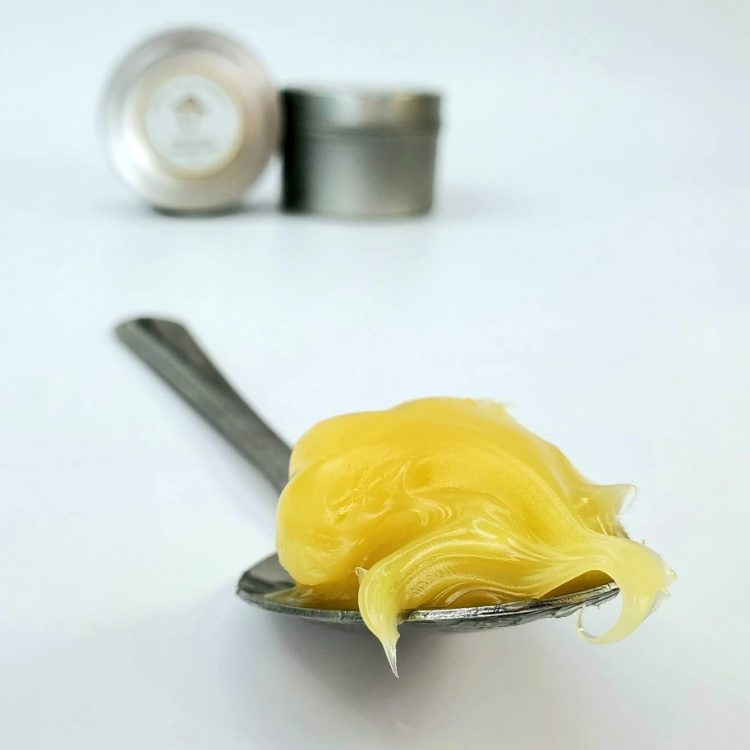
Take a very small amount of lanolin. Warm it between your fingertips or palms until it softens. Then press it into the wool using gentle, firm pats.
You do not need to coat the whole garment. Focus on the areas that need it most.
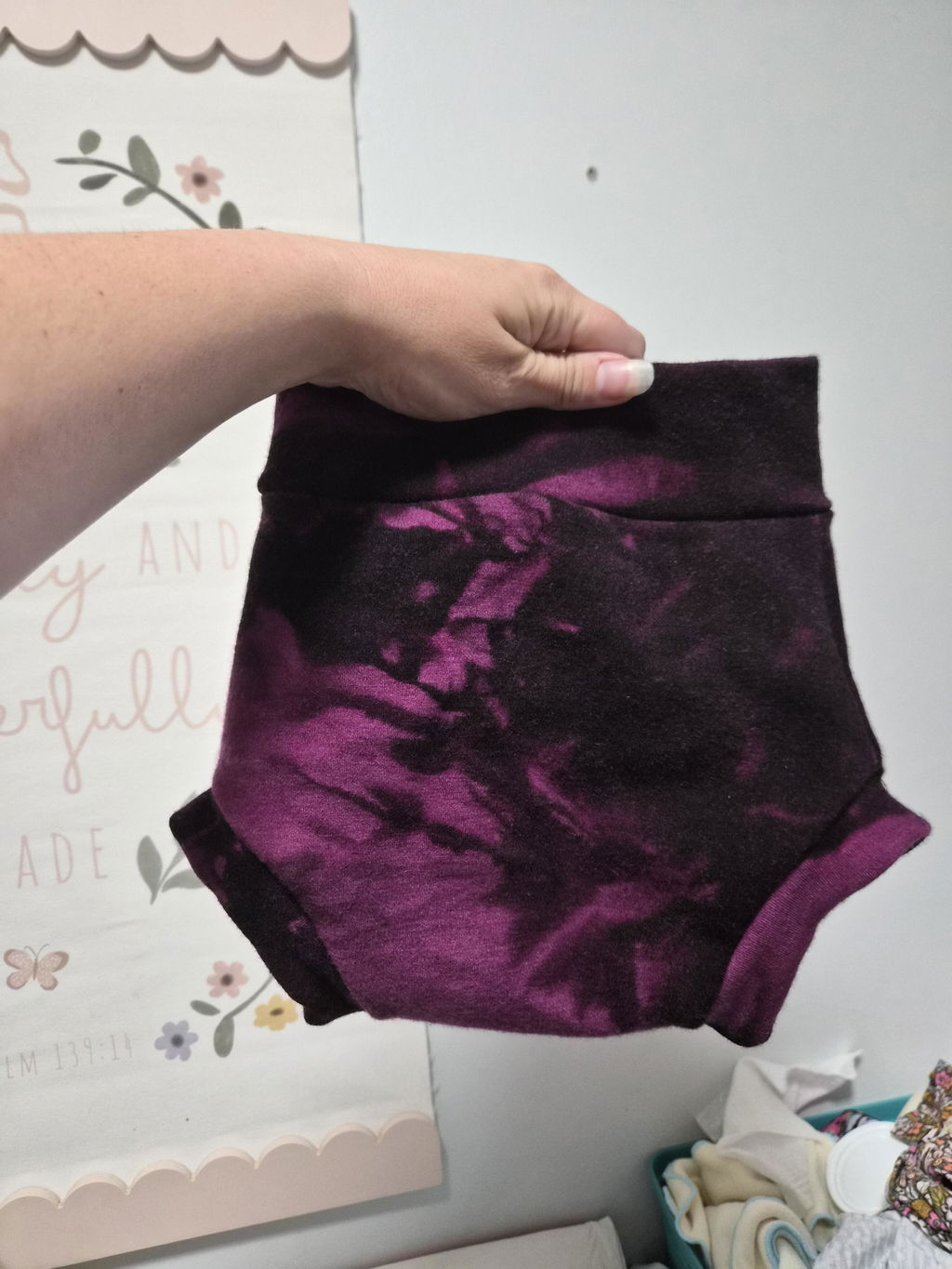
For diaper covers, pay special attention to the inside wet zone. You can add a little more as needed, but start small. It is much easier to add more lanolin than to deal with too much.
Watch the dry method in action
I made a video showing exactly how I use this method: melting the lanolin between my fingers and palms, then pressing it into the wool.
Lanolin care does not have to be complicated.
If you have ever looked up wool care and immediately felt like you needed a science degree, this method is for you. The dry method is simple, quick, and wonderfully low fuss. You warm a small amount of lanolin between your fingertips or palms, then gently press it into the wool where it is needed.
That is it. No big setup. No soaking. No dramatic kitchen experiment.
What is the dry lanolin method?
The dry method uses straight lanolin applied by hand.
Instead of mixing lanolin into water first, you melt a tiny amount with the warmth of your fingers or palms. Once it softens, you press and smooth it onto the wool, focusing on the areas that need extra moisture resistance.
For wool diaper covers, this is often the wet zone. For other wool pieces, it may be a worn area that needs a little refresh.

Why use lanolin on wool?
Lanolin helps wool do what wool naturally does best.
It adds a protective layer that helps wool resist moisture while still staying breathable. This is one of the reasons wool diaper covers are so loved. They can help manage dampness without feeling plasticky or sealed off.
Lanolin also helps keep wool feeling cared for, especially after washing or regular use.
Seeing it done can make the whole process feel less intimidating. It really is one of those things that sounds stranger than it looks.
What if the wool feels sticky?
You probably used a little too much lanolin.
That is not the end of the world. You can gently work it in more with warm hands, let the wool rest, or wash and reset it if needed.
Next time, use less than you think. A little lanolin goes a long way.
When should you use the dry method?
The dry method is especially helpful when:
Your wool cover needs a quick refresh.
One area needs more protection than the rest.
You do not want to soak the whole piece.
You are short on time.
You want a simple, hands-on care method.
It is not the only way to lanolize wool, but it is a very practical one.
Wool care can be simple
Wool has a learning curve, but it does not need to be fussy.
The dry method is one of the easiest ways to care for your Bumbies and keep them working well. Start small, use your hands, and trust the process. Wool has been doing its thing for a very long time.