Wool in summer sounds wrong until you have lived in it.
We were taught to think of wool as the fabric you reach for when the snow shows up and your toes start questioning your life choices. Cozy socks. Heavy sweaters. That blanket in the car you "just leave there for emergencies."
But wool has been showing up for humans in every season for a very long time. Our ancestors knew it. Outdoor families know it. The 1000 Hours Outside crowd knows it. The Scottish kilted gentlemen with their wool compression socks and impressively ventilated arrangements knew it. Airflow, coverage, natural protection — honestly, a whole summer strategy.
And yes, those vintage black wool swim outfits from the early 1900s? They knew something back then too.
Wool is not just for cold weather. It is for sun, shade, hiking trails, lake days, camping trips, water tables, sweaty walks, garden mornings, playground afternoons, and all the messy middle parts of summer.
It covers skin. And it does something about the sun while it is at it.
There is a lot of noise about sun protection right now, and people have feelings. Strong ones, on multiple sides. We are not here to weigh in on what you put on your skin — that is your call, your research, your family.
What we will say is this: however you feel about what goes on skin, we can probably all agree that what covers skin matters. And wool covering it is a genuinely elegant solution.
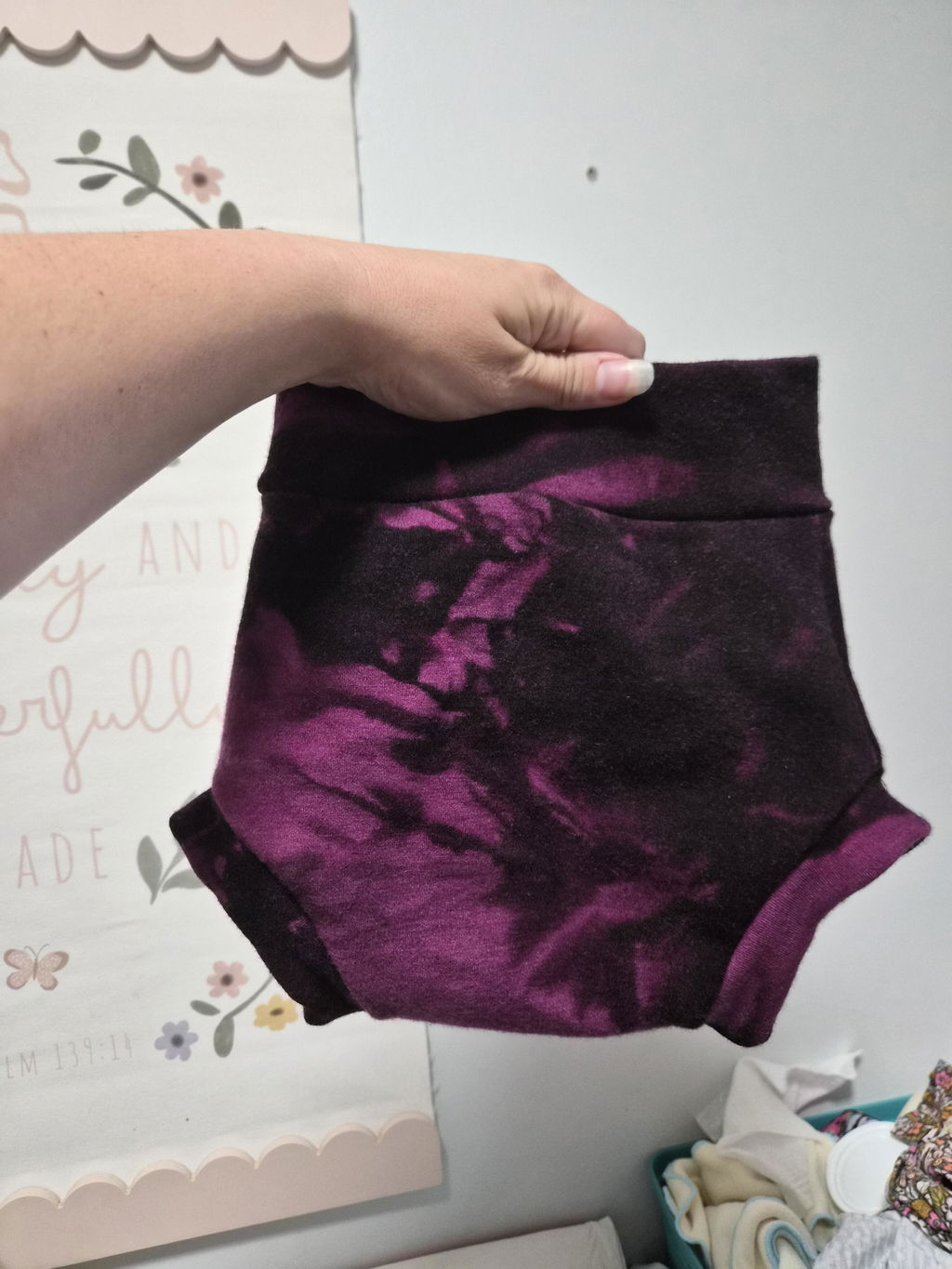
Wool naturally absorbs UV radiation across the entire spectrum. According to the International Wool Textile Organisation, woollen apparel typically achieves a UPF rating — that is the fabric equivalent of SPF, standing for Ultraviolet Protection Factor — of between 20 and 50, depending on the density and dye of the fabric. Compare that to the average cotton t-shirt, which sits around UPF 10. Denser knits, like the interlock merino we use for our diaper covers and many of our clothing pieces, trend toward the higher end of that range.
Long sleeves, pants, dresses, tanks, rompers, wool layers — when your child is covered neck to ankle in Bumby wool, that coverage is doing real work. Vitamin D still happens. The sun still reaches face, hands, and feet. You can be smart about shade and timing. Wool just quietly handles the rest.
Quick note on UPF: UPF does decrease when fabric is wet, so this is most relevant for dry-wear layers. Keep that in mind for active water play — though our covers dry impressively fast, which we will get to in a minute.

Bumby Wool Tanks | Bumby Wool Tees | Bumby Wool Shorts
It is naturally flame resistant. And we have the stories to prove it.
This one is close to my heart.
I have heard stories over the years — things that get quietly passed around in outdoor and natural parenting communities — about wool doing something remarkable in moments that could have been much worse. A child lost in the woods, temperatures dropping, found days later by RCMP. The consensus from the people who found him: the wool kept his core temperature regulated in a way that synthetic layers simply would not have. That story has been shared with me more than once by people who were there.
And then there is the campfire. One of our customers told me about the night their little one fell. Head and feet were burned — heartbreaking. But the body, covered neck to ankle in Bumby wool? Fine. "It was a miracle," she said. What I know is that it was not luck. It was chemistry.
Wool is harder to ignite than most fabrics. Research from the International Wool Textile Organisation shows wool requires a significantly higher temperature to ignite compared to cotton or polyester — and when it does burn, it self-extinguishes and forms a soft ash, rather than melting and sticking to skin the way synthetic fibres do. The military has known this for centuries. Emergency services still rely on it. Nature, as it turns out, was ahead of us on this one too.
We are not saying wool is fireproof. We are not saying skip campfire safety. But when your family is outside and gathered around a fire, what is covering their bodies matters.

Bumby Wool Dresses | Diaper Covers
That campfire smell? Gone. As if by magic.
Summer memories smell like sunscreen, dirt, lake water, pine needles, and campfire smoke.
The good news is that wool is naturally extraordinary at managing odour. Biochemically, the lanolin-coated fibres do not hold onto smells the way synthetic fabrics do. Often, a smoky wool layer just needs to be hung up overnight. Give it some air, give it some time, and that campfire smell fades away quietly. No laundry emergency required.
When it does need a wash — and it will, eventually — wool care is genuinely simple. Gentle wool-safe wash, cool water, lay flat to dry. That is it.
We like Unicorn Wash around here. We pre-lanolize everything before it ships so you are ready from day one. For re-lanolizing between washes, we have a few methods depending on how much effort you feel like putting in — read about all three right here.
Bumby Wool Lanolin Blend | Wool Care Products
Fresh water? Absolutely. Pool water? Not so much.
Wool and fresh water are a surprisingly good summer pair. Lake splashing, water tables, sprinklers, surprise puddle encounters — lightweight merino dries faster than most people expect, especially in warm weather with any airflow at all. Summer days where nobody is fully dry anyway are exactly where wool earns its keep.
One thing worth knowing: chlorinated pool water is not wool's friend. Chlorine damages the protein structure of the fibre over time, so regular pool use in your Bumbies is not something we recommend. But lakes, rivers, rain — all fair game.
Fun fact for the textile history nerds among us: those vintage black wool swimsuits from the early 1900s were real. Wool was the original swim fabric. They were not wrong. They were just ahead of schedule.

Also — and we say this delicately — summer sweat.
Wool is breathable, moisture-wicking, and naturally odour resistant. For kids, that means clothing that handles water tables, hiking trails, playground dirt, snack spills, and the full-body commitment children bring to being outside.
For grown-ups — particularly those of us navigating what we will diplomatically call the heat zone — wool's ability to move moisture away from skin and neutralize what it finds there is genuinely useful. Wool shorts, wool tanks, wool base layers in summer are not the contradiction they sound like. Less sticky, less lingering, more confident. You know what we mean.
Womens Shorts | Womens Tops | Dreamweight Color Collection
Wool is for living in nature. That is what it was made for.
Wool has been part of human life for generations because it works with the body and with the weather. It insulates when it is cool, breathes when it is warm, handles moisture, resists odour, and quietly offers protection that modern life keeps rediscovering.
Our ancestors knew. The 1000 Hours Outside families know. The outdoor community knows. The kilts and tall socks crowd — with their breezy confidence and excellent circulation — definitely knew.
This is not just good clothing. It is a gift from nature that we keep underusing.
There is also a bigger conversation to have — about wool, carbon, the land it grows on, and its place in the future of sustainable textiles. Wool fibre is made of carbon. That story deserves its own post, and we wrote it. Read it here → [LINK: Post coming soon]
Thank you to the incredible Bumby community for sharing your summer photos. Scroll through the gallery below and see Bumby wool doing what it does best: joining real families in real life. Drop your comments below — we want to hear how your Bumbies show up for summer.
Sources: IWTO – UV Protection & Wool | IWTO – Wool Flame Resistance | IWTO – Flame Resistance Data